 China Trip
Kunming Changshui Airport Transit: The 240-Hour Visa-Free Rule
Status check (verified 2026-11-14): Kunming Changshui (KMG) is one of the ports where China's 240-hour visa-free transit applies, and since 5 November 2025 it has also been one of ten airports where 24-hour direct transit needs no immigration inspection at all. What decides your trip is not the airport — it is your ticket, and which port you plan to leave from. Get either wrong and the 10 days collapse into a normal visa case.

On this page
Why Kunming is the useful one
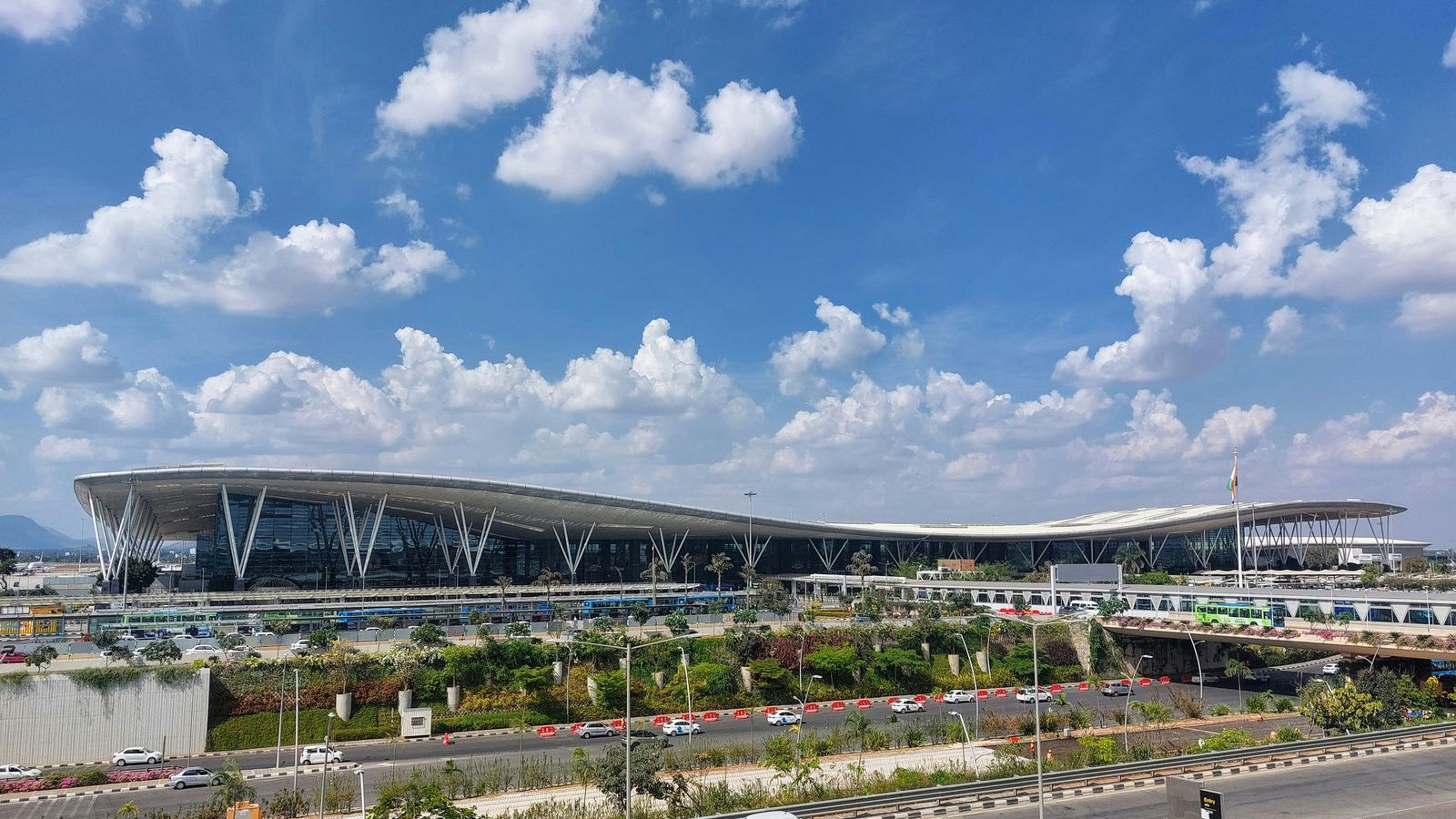
Most people treat Kunming as a domestic hub on the way to Dali or Lijiang, and pass through without noticing what the airport actually is: the main international gateway for southwest China, about 24.5 km northeast of the city, at 2,103 metres, with a single terminal building handling both domestic and international flights.
That single terminal matters more than it sounds. You are not changing buildings, not taking an inter-terminal shuttle, not re-clearing security in a satellite. International arrivals and domestic departures sit in one structure, with the metro station two levels below the arrivals hall.
And the policy position is unusually generous. Yunnan has three ports in the 240-hour programme — Kunming Changshui airport, Lijiang Sanyi airport and the Mohan railway port on the Laos border — and the permitted stay area is not just Kunming city. It is nine prefectures: Kunming, Yuxi, Chuxiong, Honghe, Wenshan, Pu'er, Xishuangbanna, Dali and Lijiang.
That is a large piece of Yunnan. It is not, however, all of China.
What 240 hours actually gives you
The rule itself is narrow and specific. You need three things at the immigration desk:
- A passport from an eligible country. The list has been expanded repeatedly since the policy was extended to 240 hours; check the National Immigration Administration's current list rather than a blog written last year.
- At least three months' validity left in the passport, and no barrier to entering your next destination.
- A confirmed onward ticket to a third country or region, with a date and a seat, departing within 240 hours.
That third item is where most people fail, and it fails in a way that is hard to argue with at the counter. A return ticket to the country you came from is not an onward ticket. A ticket that leaves from a port outside the programme is not usable. The rule is transit, not visa-free entry — the logic is that China is a stopover between two other places.
The clock has one small kindness in it: the 240 hours start at 00:00 the day after you enter, not at the moment you clear immigration. Land at 23:00 on a Monday and you effectively get ten nights, because the count begins on Tuesday.
Anyone who does not need this rule may not want it. Citizens of countries with full mutual or unilateral visa exemption — much of Europe, Australia, Korea, the Gulf states and more — get 30 days with no onward-ticket condition, which is simpler in every respect. The 240-hour transit rule exists for nationalities that otherwise need a visa.
The 24-hour rule, which is different
There is a second policy that people confuse with the first, and it applies at Kunming as of 5 November 2025.
If you hold an international interline ticket and your connection to a third country is within 24 hours, and you do not leave the airport, you do not go through immigration inspection at all. No temporary entry permit, no queue at the counter, no stamp. You stay airside and you fly out.
This is the rule that saves a tight connection. It is also the rule that is silently lost the moment you decide to go into the city for dinner — leaving the airport means entering China, and entering China means you need either the 240-hour transit arrangement or a visa.
Two mistakes that void the whole thing

Exiting from the wrong port. The 240-hour policy does not let you leave China from anywhere you like. You must exit from a port that is in the programme. In Yunnan that means Kunming airport, Lijiang airport or Mohan railway station — and there is a well-documented case of a traveller who entered through Mohan, toured the province, then tried to leave overland at Hekou and was stopped, because Hekou is not a 240-hour port. If your plan ends with a bus into Vietnam or Laos from a border crossing, check that specific crossing first.
Assuming the stay area is China. The nine prefectures are the limit. Guizhou, Sichuan, Guangxi and Tibet are not included, however close they look on a map. A Kunming–Guiyang–Chongqing loop is not a 240-hour itinerary, it is an overstay.
Getting into Kunming, and back in time
Metro Line 6 is the default. The station is on level B2 of the terminal, a few minutes' walk from baggage claim, and it runs to Tangzixiang in the city centre, where you can change to Line 2 for the hotel districts. Trains run from about 06:20 until roughly 23:00, roughly every 10 to 15 minutes, for a flat fare in single-digit yuan. Allow half an hour to Tangzixiang, plus your transfer.
Kunming Information Port reported in July 2026 that Line 6 adds late-night express departures from the airport during the summer peak — worth checking if you land after 23:00, because that is exactly when the metro stops being an option.
Buses leave from level B1 near gates 3 and 4, CNY 25, with one route to Kunming Railway Station and another to Kunming South Railway Station, the high-speed station. The southern route matters if you are heading to Dali or Lijiang by rail, because high-speed trains leave from Kunming South, not from the old central station.
A taxi to the centre is roughly CNY 80–100 and 40–50 minutes, plus a motorway toll. After midnight, with no metro, that is the realistic option.
What ten days from Kunming looks like
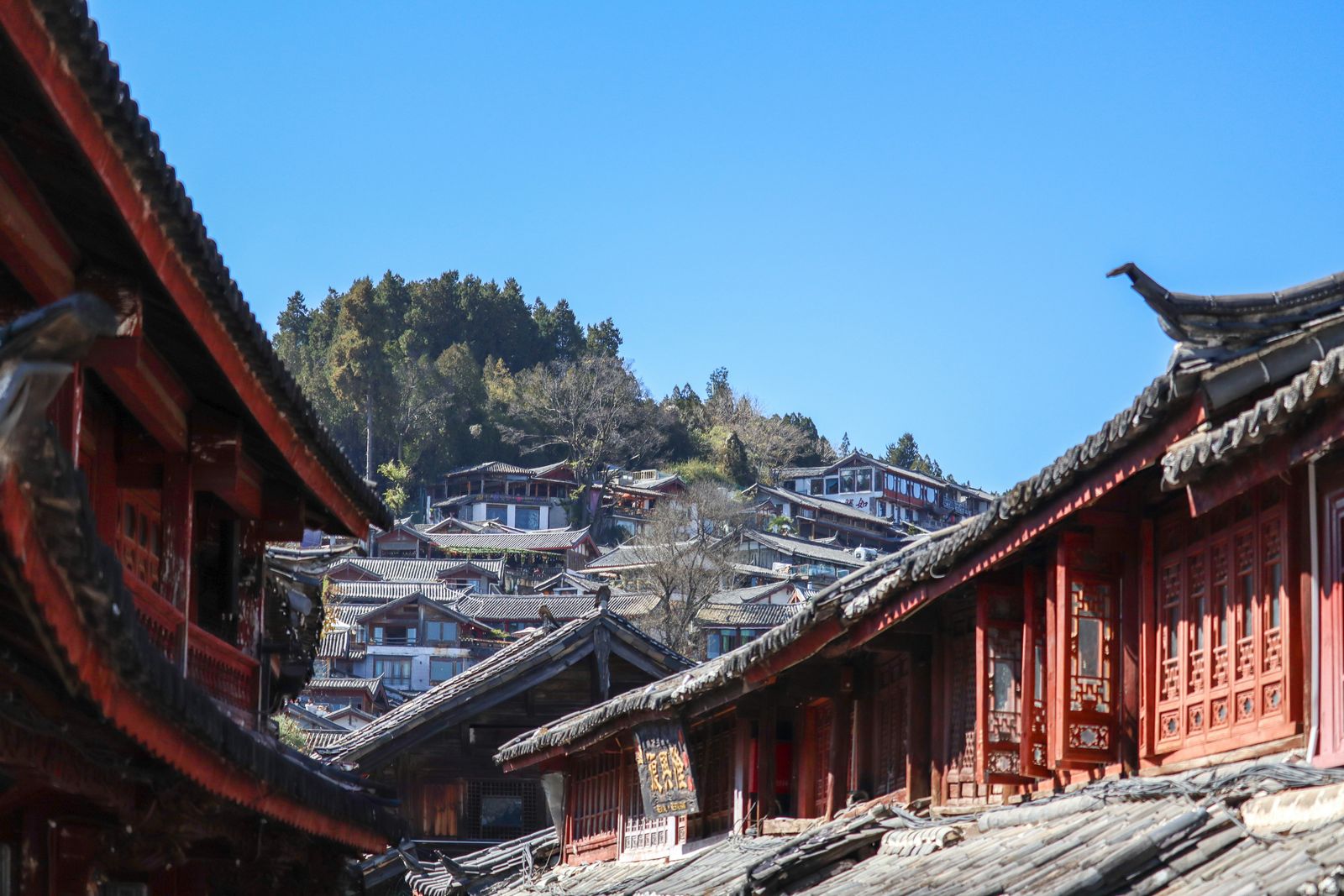
The nine-prefecture area supports a genuine trip rather than a city break, and the rail network does most of the work.
A workable shape: two nights in Kunming to absorb the altitude and see the Stone Forest, then high-speed rail west to Dali for the Erhai lake villages, then on to Lijiang for the old town and the Naxi country beyond it. Both Dali and Lijiang are inside the permitted area, and both have airports if you would rather fly back to Kunming for your onward flight.
The alternative direction is south: the China–Laos railway now runs from Kunming to Xishuangbanna, which is also inside the area, with a tropical climate that makes it the winter counterpart to the rest of the province.
What you cannot do is treat Kunming as a base for a wider China trip. Shangri-La, north of Lijiang, is outside the nine prefectures. So is everything in Sichuan and Guizhou.
If your connection is only a few hours
Then the 240-hour rule is the wrong tool and you probably do not need it. Stay airside, use the 24-hour direct transit exemption, and treat the airport as an airport.
Kunming's terminal is genuinely walkable, and the international side is small compared with the domestic operation. Two to three hours is comfortable for an international-to-international connection. Anything under 90 minutes depends on your inbound being on time, and you should check whether your bags are through-checked before you plan on leaving the transit area at all.
One practical note: 2,103 metres is not high enough to cause altitude sickness in a healthy traveller, but it is high enough that a long connection after an overnight flight feels worse than the numbers suggest. Drink more water than you think you need.
Some links in this section are affiliate links — we may earn a commission if you book through them, at no extra cost to you. Affiliate disclosure.
What's worth booking ahead
Two things change faster than any article: the list of eligible nationalities, and the winter flight schedule. Yunnan's carriers add and cut Southeast and South Asian services each season, and a route that existed in November may not exist in March.
Before you book the onward leg that the whole plan depends on, confirm the current port list, confirm your nationality is on it, and confirm your exit port is one of the three in Yunnan — or a port elsewhere in the programme if you are flying out.