 China Trip
Badaling or Mutianyu: Which Wall to Pick
Status check (verified 2026-11-07): Badaling moved to low season on 1 November: admission drops from ¥40 to ¥35, and the gates run 7:30–16:00 instead of 6:30–16:30. Mutianyu stays on peak pricing until 15 November — ¥45 — and then drops to ¥40 with shorter hours. Both sections now require a real-name reservation made in advance, and the two systems are not the same job: Badaling gives you a timed slot up to seven days ahead, Mutianyu gives you a date up to thirty days ahead.
On this page
- The short answer
- Two walls, two kinds of day
- What each one costs
- Booking: seven days versus thirty
- Getting there is where the choice really happens
- The lift tickets are not interchangeable
- Which one fits your trip
- FAQ
- Can I do both sections in one day?
- Do I need to print my reservation?
- Is Badaling open in the afternoon?
- Does the Mutianyu toboggan run in winter?
- Which section is better for a tour group?
- What this guide does not cover
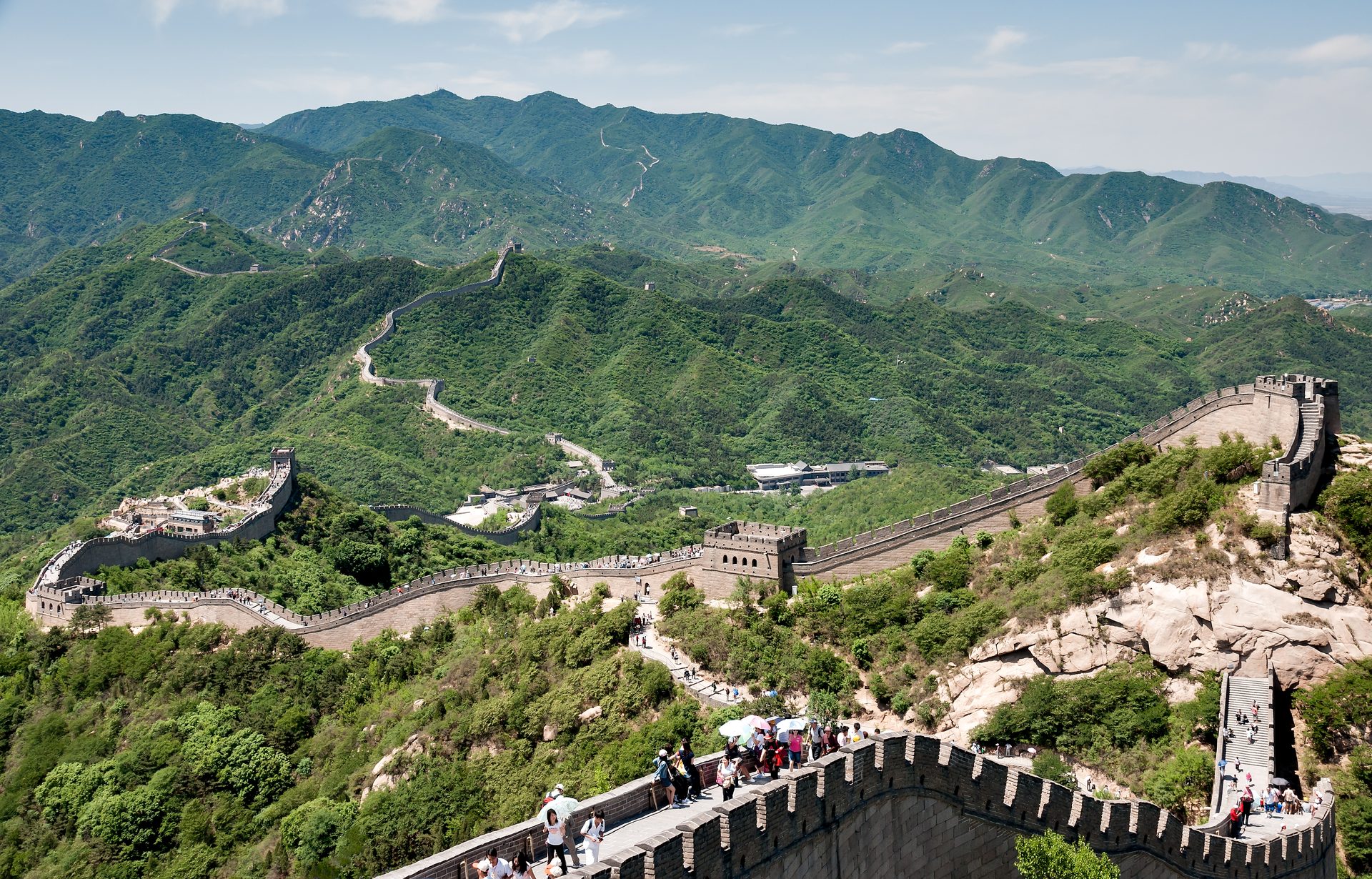
The Great Wall is not one place with one ticket window, and the two sections most visitors choose are close enough to be confused and different enough to ruin a day. Badaling is the one on the banknotes, the one with the high-speed station, the one every tour bus goes to. Mutianyu is the one twenty kilometres of ridgeline further east, with a cable car up, a toboggan down, and noticeably fewer people on the parapet.
This guide prices both, explains the booking systems separately, and is honest about the one variable that decides the question for most people: how much of your day you are willing to spend getting there.
The short answer
- You want the fastest, most independent trip, and you are travelling light: Badaling. The high-speed line puts you at a station cut into the mountain, twenty minutes' walk from the cable car.
- You are travelling with children or parents, or you want the toboggan: Mutianyu. Gentler gradients, an enclosed cable car to Tower 14, and a 1,580-metre toboggan back down.
- You have one day in Beijing and a list: Badaling, because the trains are frequent and the trip is predictable.
- You want fewer people in the frame: Mutianyu. It is not empty, but the crowd is a fraction of Badaling's, and the foreign-visitor share is high enough that English signage is genuinely usable.
- You want the cheapest ticket: Badaling at ¥35 in low season, against Mutianyu's ¥45 — though Mutianyu adds a ¥15 shuttle that Badaling does not.
Neither is "wild" wall. Both are restored Ming masonry with rebuilt parapets and modern stairs. If you came for crumbling brick and grass, you want a different section entirely — Huanghuacheng is where three stretches of wall run in and out of a reservoir, and it is covered separately on this site.
Two walls, two kinds of day
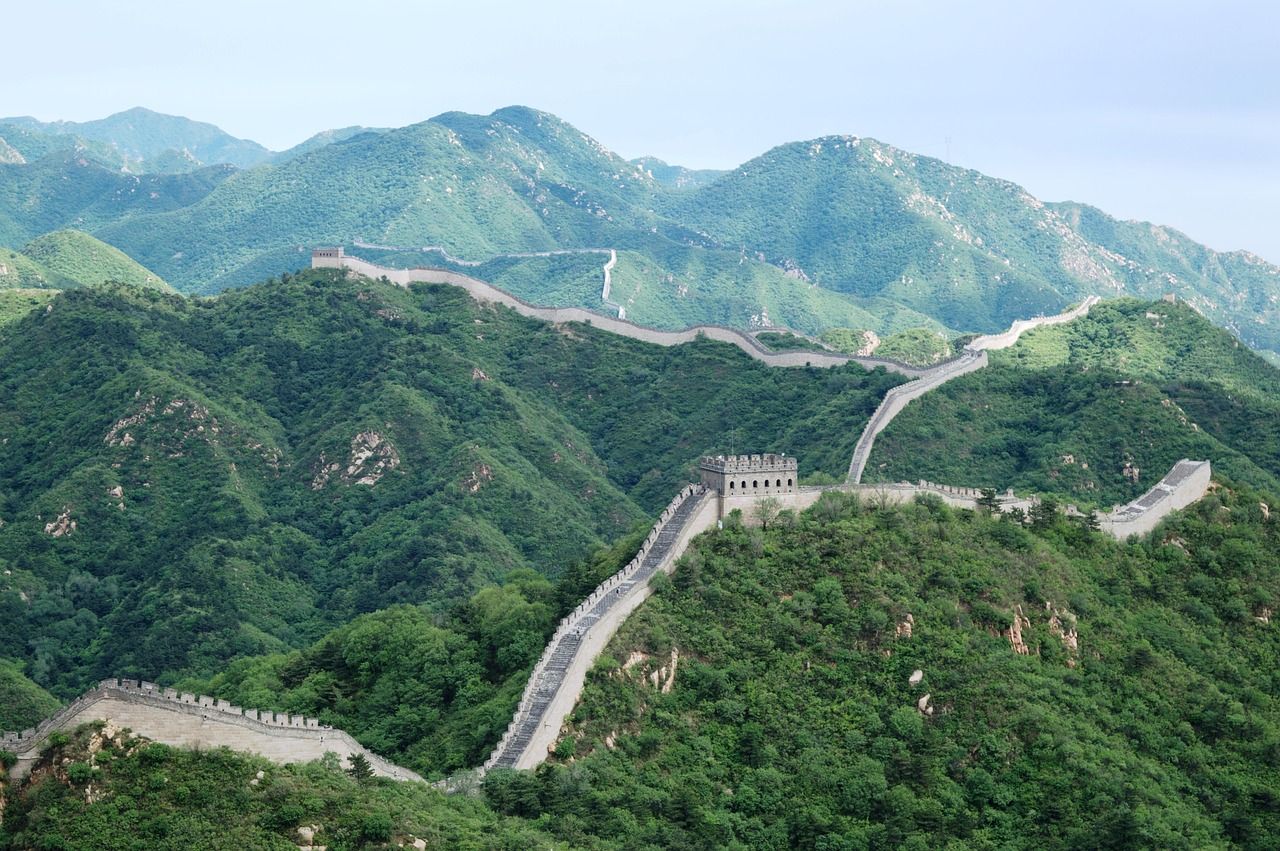
Badaling is the most visited section in the country and built for it. The open stretch runs from North Tower 12 to South Tower 7.5, about 3.7 km of walkable wall, and it is steep: the climb to North Tower 8 — the "Hero Slope" on every souvenir photograph — is a staircase, not a stroll. Everything is close to the entrance, which is why coach groups can do it in ninety minutes. The trains run late enough that you can arrive at nine and be back in the city for a late lunch.
Mutianyu's open stretch is Towers 1 to 20, roughly 5.4 km, along a ridge with more than ninety per cent vegetation cover. The gradient between Towers 14 and 20 is the section people photograph, and the wall's unusual feature is Zhengguantai, a gatehouse with three connected towers side by side — a form you will not see repeated elsewhere on the wall. The layout means you can ride up, walk one direction along the ridge, and ride or slide down, which is why families end up here.
The practical difference is the shape of the day. At Badaling you are moving through an attraction with a queue discipline. At Mutianyu you are walking a ridge line with a lift at each end.
What each one costs
Admission, per adult, as published in November 2026:
- Badaling: ¥35 low season (1 November – 31 March), ¥40 peak (1 April – 31 October). Concession ¥17.5 / ¥20.
- Badaling cable car or chairlift: ¥100 single, ¥140 return, on top of admission.
- Mutianyu: ¥45 peak (16 March – 15 November), ¥40 low season. Concession ¥25.
- Mutianyu shuttle bus: ¥15 return. The car park is 3 km from the gate, and private cars cannot drive up.
- Mutianyu cable car: ¥100 single, ¥140 return. Chairlift plus toboggan: ¥100 single, ¥140 for the round trip.
So the honest comparison for one adult who wants to ride up and walk down: Badaling ¥135, Mutianyu ¥160 — ¥35 admission plus ¥100 single lift, against ¥45 plus ¥15 shuttle plus ¥100 single lift. Add a return lift and the gap widens to ¥175 against ¥200.
Two pricing details that catch people out. At Badaling, the free-admission categories — under-18s, over-60s, disabled visitors, serving military — are written for Chinese nationals and permanent residents, checked against a Chinese ID; a foreign passport at the window pays the full ¥35 or ¥40. At Mutianyu, concessions apply to the admission ticket only: the shuttle, the cable car and the toboggan are full price for everyone over 1.2 metres, whatever your age.
Booking: seven days versus thirty
The systems are different enough that a plan built for one fails at the other.
Badaling runs a timed-entry reservation. You choose a date and a time band, up to seven days ahead, through one of three official channels: the WeChat mini-program 长城内外旅游预约, the WeChat account 八达岭长城, or the official site badaling.cn. One account can hold up to five tickets, and every visitor needs one — including anyone entitled to a free ticket, who reserves a ¥0 ticket rather than walking up. Morning bands on peak weekends go first; if you are booking late, the 12:00–16:00 band is usually the one still open.
Mutianyu runs a date reservation, no time slot. You book up to thirty days ahead through mutianyugreatwall.com or the WeChat account 慕田峪长城, one ticket per ID per day, and once you hold it you can enter at any point during opening hours that day. Free-ticket categories also have to reserve, then show ID at the gate.
The refund rules differ too, and this is where a rainy forecast becomes a decision. Mutianyu allows free cancellation or date change until 24:00 on the day before your visit; after that the ticket is dead. Badaling allows changes through the booking page within its own window. Either way, the fix is the same: deal with the weather the night before, not at the gate.
Getting there is where the choice really happens
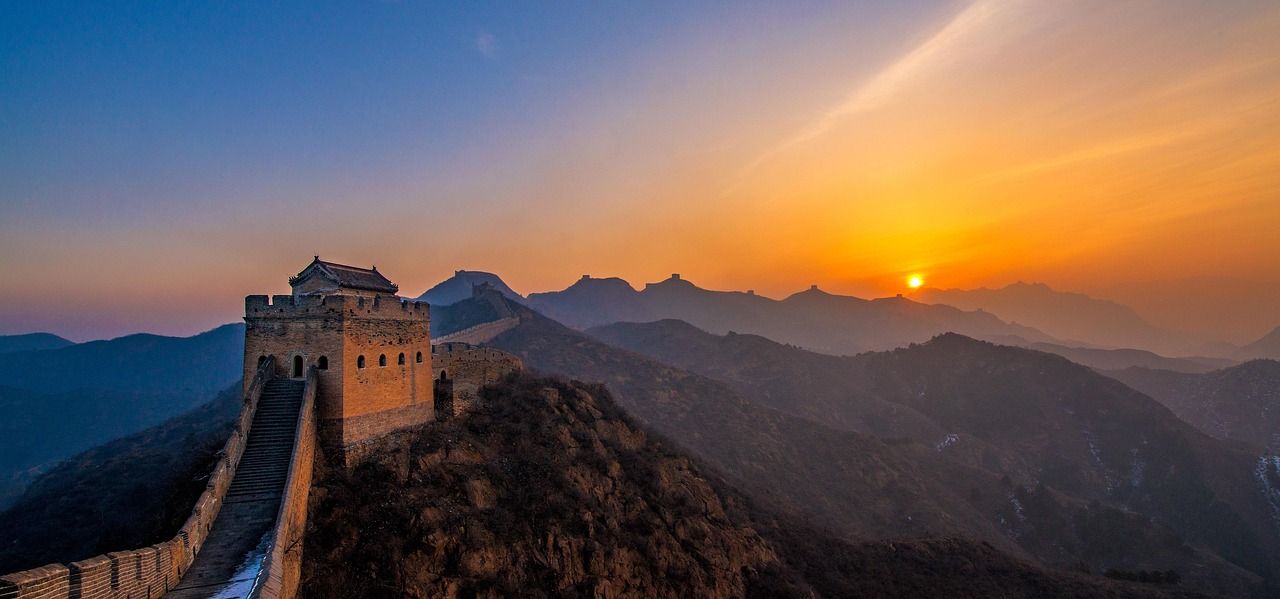
This is the part that decides it for most people, and it is not close.
Badaling has a high-speed railway station inside the mountain. Trains on the Beijing–Zhangjiakou line run from Beijing North and Qinghe to Badaling Great Wall station in roughly twenty to forty minutes, for somewhere around ¥18–29 depending on origin and class. The station is the deepest high-speed underground station in the country, and the exit puts you a short walk from the cable car base — turn right out of the concourse. Book on 12306 and book the return leg at the same time; the last trains back fill up.
The other rail option is the S2 suburban service from Huangtudian, a ten-minute walk from Huoying station on metro lines 8 and 13. It costs ¥7 to Badaling and takes about an hour, threading through the Guanting gorge with the wall visible from the window. The catch is frequency: on quieter weekdays it runs only about three pairs a day, rising to roughly seven pairs from Friday to Monday. Miss the one you wanted and the day is gone.
Buses 877, 919 and 880 all reach the scenic area, per the official transport page, and the Great Wall bus direct service runs on peak dates for about ¥80 return, admission not included. Quoted bus fares range from ¥6 with a transit card to ¥12 — treat the bus as the cheap, slow, traffic-exposed option, and never as the plan for a day with a fixed return.
Mutianyu has no station. The public-transport route is 916 Express from Dongzhimen to Huairou Beidajie, then a local H23, H24 or H36 to the Mutianyu roundabout, then a short walk or the shuttle — two to two and a half hours door to gate, with the last local buses back leaving early enough to end your afternoon.
The alternatives are direct coaches and driving. Coaches leave from Dongzhimen (a return fare around ¥80, with morning and early-afternoon departures) and from Qianmen, and most bundle a fast-track ticket purchase; these are the reason Mutianyu works for families who do not want three changes with children. By car it is the Jingcheng expressway, exit 13, about ninety minutes, then ¥15 for the shuttle from the car park.
The lift tickets are not interchangeable
At Mutianyu this is the single most expensive mistake available, and it is structural rather than a scam.
The cable car is an enclosed cabin that climbs to Tower 14. The chairlift is an open ski-style chair that climbs to Tower 6, and the toboggan comes down from Tower 6 alongside it. The cable car and the chairlift-and-toboggan are operated by two different companies: the tickets do not cross over, and — more importantly — they use different entrance gates at the bottom. Buy a cable car ticket and you enter through the north gate; buy the chairlift-and-toboggan combination and you enter at the toboggan gate. They are in different directions from the car park, so the wrong ticket means walking back around.
Both cost ¥100 single and ¥140 return. The toboggan stops selling tickets in the late afternoon, around 16:00, so if sliding down is the point of the trip, do the wall first and the slide before four.
At Badaling the lifts are simpler — a cable car to the south side and a chairlift to the north — but the same warning applies: the lift is not included in admission, and on days with strong wind either can be suspended without notice.
Which one fits your trip
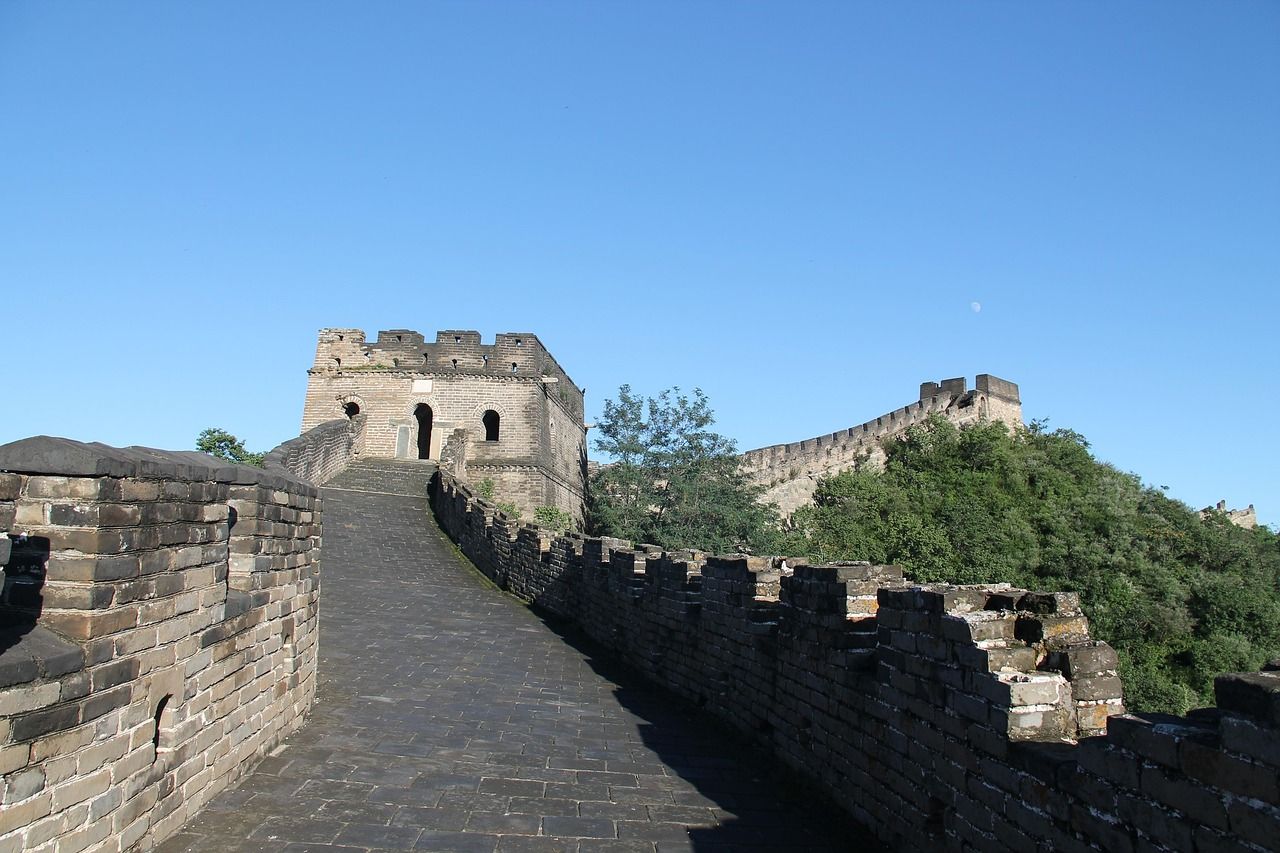
- One day, arriving by train, travelling alone or as a couple: Badaling. Buy a timed slot for mid-morning, take the high-speed train, ride up, walk to North Tower 8 and back, and be in the city by mid-afternoon.
- Travelling with children or grandparents: Mutianyu. Cable car to Tower 14, walk the easy western stretch, toboggan down. Book the coach rather than attempting the three-leg public route.
- Photographers in the next fortnight: Mutianyu, and go early. The ridgeline above Tower 14 is in full autumn colour now, and the light on the parapet is cleanest before nine.
- Anyone pairing the wall with the city: either works, but Badaling leaves more of the afternoon. If the rest of your day is the Forbidden City, remember that it closes early and needs its own reservation.
- Anyone on the 240-hour visa-free transit: both are inside Beijing municipality, so neither creates a transit problem — but the reservation is real-name and needs your passport number exactly as printed.
FAQ
Can I do both sections in one day?
Not sensibly. Badaling sits northwest of the city, Mutianyu northeast, and the transfer between them is two to three hours on a good day. Pick one, and give it the whole morning.
Do I need to print my reservation?
No. Both sections check identity at the gate — a Chinese ID card for Chinese visitors, a passport for everyone else. Carry the document the booking was made with, and keep the booking confirmation on your phone as a backup.
Is Badaling open in the afternoon?
Yes, but the afternoon is short. In low season the last entry is 16:00; in peak season 16:30. The wall closes around an hour later, so a 15:30 arrival gives you a rushed climb, not a visit.
Does the Mutianyu toboggan run in winter?
It runs with the lifts, weather permitting — wind, ice, snow and lightning all stop it, and the toboggan stops selling tickets in the late afternoon. If the slide is the reason you chose Mutianyu, ask at the gate when you arrive rather than assuming.
Which section is better for a tour group?
Badaling absorbs groups better: timed slots, coach parking and a single entrance mean a forty-person group moves through without a briefing. Mutianyu groups usually arrive on the direct coach services, which bundle the ticket and the shuttle.
What this guide does not cover
- Wild or unrestored wall. Jiankou, Gubeikou and the Simatai east section are different trips with different risk profiles and, in some cases, closures. Nothing here applies to them.
- The wall at night. Both sections have run evening openings at various points; neither is a standing product, and both are announced separately by the operator.
- Your exact fare. Every price above is the published figure as of early November 2026. Ticket platforms discount, concession eligibility for foreign passports is decided at the window, and the S2 timetable changes with the season.
- A guarantee the toboggan or the lift is running. Wind, ice and lightning stop them, and the decision is made on the mountain that morning, not online.
The reason to decide this before you book a hotel is that the two sections reward different plans. Badaling rewards precision — a timed slot, a train you have already booked, a ninety-minute window on the wall. Mutianyu rewards a whole day — a coach that leaves early, a ridge walked end to end, a slide down before four o'clock. Pick the plan you actually want to have, and the wall follows.
Admission tiers, opening hours, the reserved real-name booking channels and the public-transport list for Badaling are from the Beijing Badaling Great Wall official site (badaling.cn) and its ticketing platform (badalingmall.com), read on 7 November 2026. Mutianyu's ticket, shuttle and lift prices, the separate cable car and chairlift gates, the 30-day reservation window and the closing rules are from the Mutianyu Great Wall official site (mutianyugreatwall.com) and its WeChat booking channel. High-speed fares and journey times are from China Railway 12306; the S2 service pattern is from the Beijing suburban railway timetable and is seasonal. Coach fares are as published by the operators and may change without notice. Prices, hours and timetables change; verify before you travel.