Huanghuacheng Water Great Wall: The Beijing Section That Runs Into a Lake
On this page
- How the wall ended up in the water
- Huanghuacheng or Mutianyu? Pick the right one
- The lake, the boardwalk, and a Ming chestnut orchard
- The chestnut festival: 19 September to 7 October
- The rest of the day
- What it costs
- Getting there
- When to go
- Is it worth it?
- Where a tour fits
- FAQ
- How much is a ticket to Huanghuacheng Water Great Wall?
- Can I get there without a car or a tour?
- How is it different from Mutianyu or Badaling?
- Is the chestnut picking really free?
- Is it suitable for children or older visitors?
- Check dates and availability
You have seen the Great Wall on a ridge: grey brick climbing a mountain, watchtowers at intervals, nothing but sky behind it.
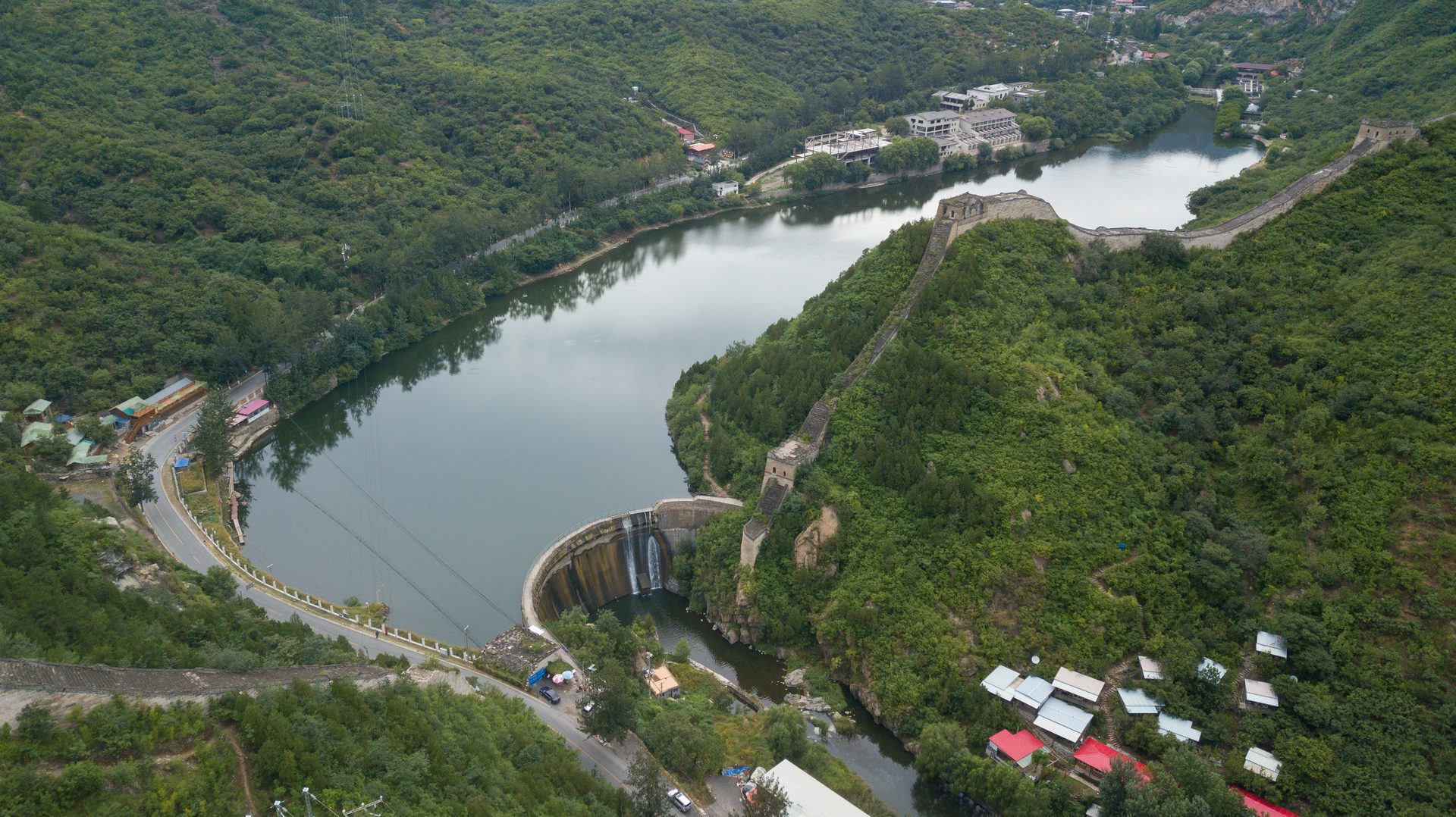
Huanghuacheng, in the Huairou mountains north of Beijing, offers the version almost nobody expects. Three stretches of the wall walk down a slope and straight into a lake, so the brick disappears under the water and comes back out on the other side, and the water runs through the gap where the parapet used to be.
This was not designed. It was an accident that turned out to be unrepeatable.
How the wall ended up in the water
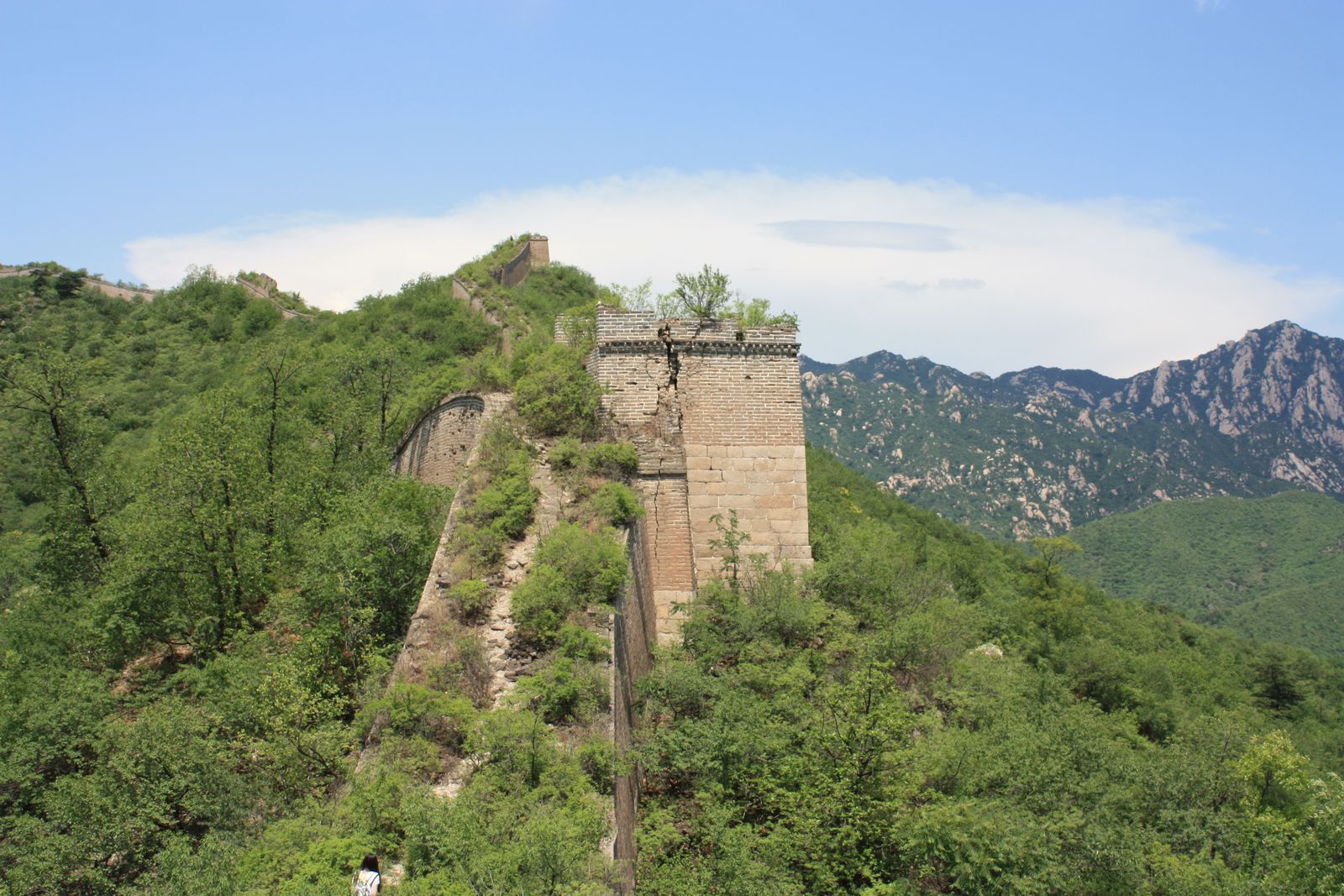
The wall here was built in the Ming Yongle era, in 1404: the westernmost section in Huairou, the easternmost end of Juyong Pass, on the line guarding the northern approach to the capital and the Ming imperial tombs.
None of it was underwater then. A reservoir was built at Xishuiyu, and when the dam was closed the water level rose, drowning the lowest stretch and leaving both ends high on the hillside. The scenic area's own material describes three sections entering and leaving the water at different depths and calls it the only one of its kind in China — which is what separates it from everything else you have been sold. Badaling, Mutianyu and Simatai are all climbed and looked out from, and Shanhaiguan's Laolongtou puts a spur of wall into the sea. Huanghuacheng's is a lake, and the wall goes in and comes back out.
Huanghuacheng or Mutianyu? Pick the right one
These are two different products, and mixing them up is the main way people end up disappointed.
| Mutianyu | Huanghuacheng | |
|---|---|---|
| What you are looking at | a fully restored ridge-line wall with watchtowers | three sections of Ming wall running in and out of a reservoir |
| Way up | cable car | a magnetic slide of about 1,200 m, or a walk up from the chestnut orchard side |
| Signature moment | the toboggan ride down | a boat along the lake, looking up at the wall cut by water |
| Getting there | about 90 minutes northeast of Beijing | Huairou mountains; no metro, at least 1.5 hours each way |
| Feel | the postcard, done well | a quieter, stranger picture with a harvest festival attached |
If you want the classic restored wall, with a cable car up and a toboggan down, that is Mutianyu — see our separate Mutianyu guide for that day. Huanghuacheng is not a substitute for it. It is the section you go to when you want the picture nobody sends you.
The lake, the boardwalk, and a Ming chestnut orchard
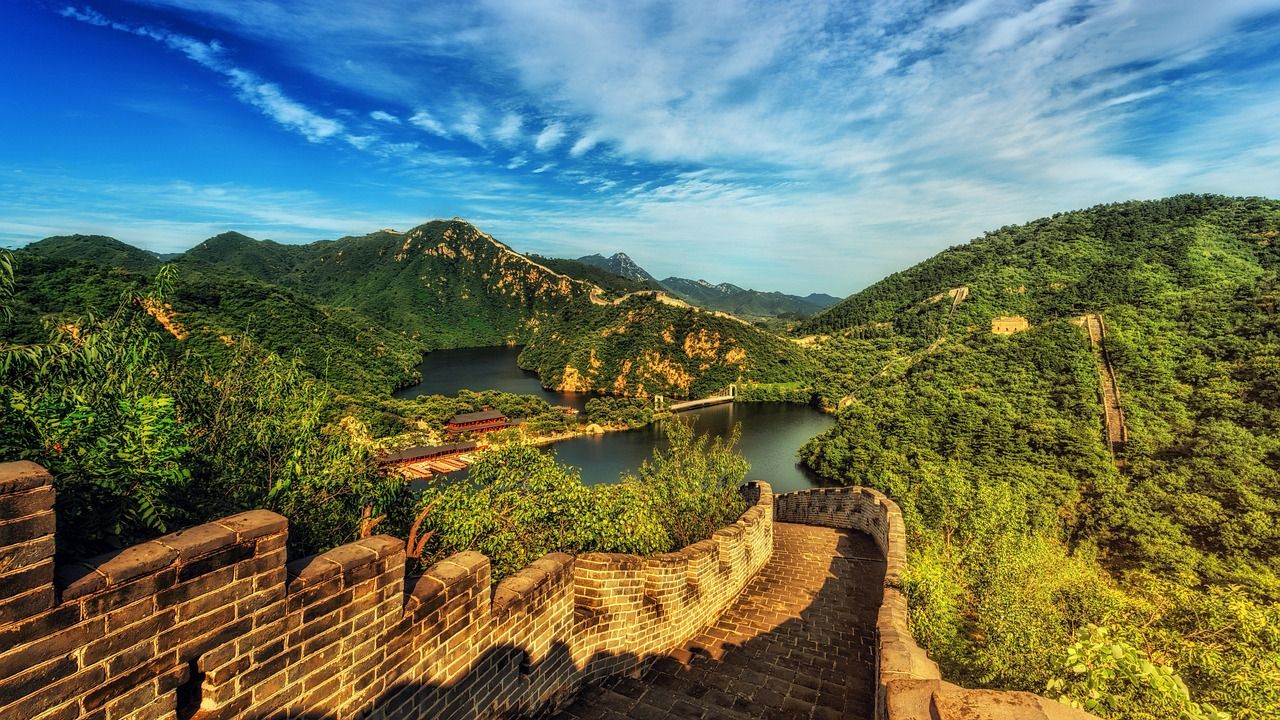
The lake is Haoming Lake, renamed from Xishuiyu Reservoir — a small reservoir built mainly for flood control, with a wooden boardwalk looping it in roughly 2 km.
The sight most visitors skip is the Ming Chestnut Orchard inside the grounds: more than a hundred ancient chestnut trees, all over 500 years old, planted by the soldiers who garrisoned this wall. Ming border duty was described as three parts guarding, seven parts farming — standing watch was only part of the job.
One tree, the Chestnut King, is around 1,000 years old and is billed as China's most beautiful chestnut tree. Huairou calls itself the country's chestnut hometown, and these are ungrafted native chestnuts that once went to court as tribute.
The chestnut festival: 19 September to 7 October
The 14th Huairou Great Wall Chestnut Culture Festival runs from 19 September to 7 October, at the Ming Chestnut Orchard inside the scenic area.
Free picking here means gathering what has already fallen; shaking the trees or climbing them is discouraged, which is what you would expect from an orchard measured in centuries. The festival adds limited chestnut-themed tickets and stamps (a Chestnut King stamp and an autumn chestnut stamp), chestnut food around the old orchard from sugar-roasted native chestnuts to chestnut braised pork and orchard barbecue, a chestnut latte at the lakeside peninsula cafe, and boats and kayaks on Haoming Lake.
Details and the limited tickets change year to year; the scenic area's own notice is the version that counts.
The rest of the day
- The magnetic slide is the low-effort way up, 1,200 m of ride, with the wall-and-water panorama from the top. You can also walk up from the chestnut orchard side: plenty of steps, but steady going.
- Newer additions include a forest mini train, cloud-top glass rafting, a glass bridge and bungee jumping — added over recent years, so check prices and whether they are running on the day.
What it costs
- Adult ticket ¥58; concession ticket ¥30.
- Boat: ¥25 one way, ¥45 return.
- Magnetic slide: ¥40 one way, ¥80 return.
- Day-tour coach: adult package ¥120, including the coach fare and the entrance ticket.
- Self-driving: park at P3, the closest lot to the East Gate, about ¥20 for the day.
All of these are platform-listed prices. The scenic area's own announced prices on the day are final.
Getting there
There is no metro, and that shapes the whole trip. Without a car, the easiest option is the direct day-tour coach (Dongzhimen Transport Hub 07:45, Shaoyaoju metro exit E 08:15) — limited departures, so arrange your date around them. With a car, navigate to the P3 car park beside the East Gate. Either way, expect at least 1.5 hours each way from central Beijing: this is a mountain valley, not a city park.
When to go
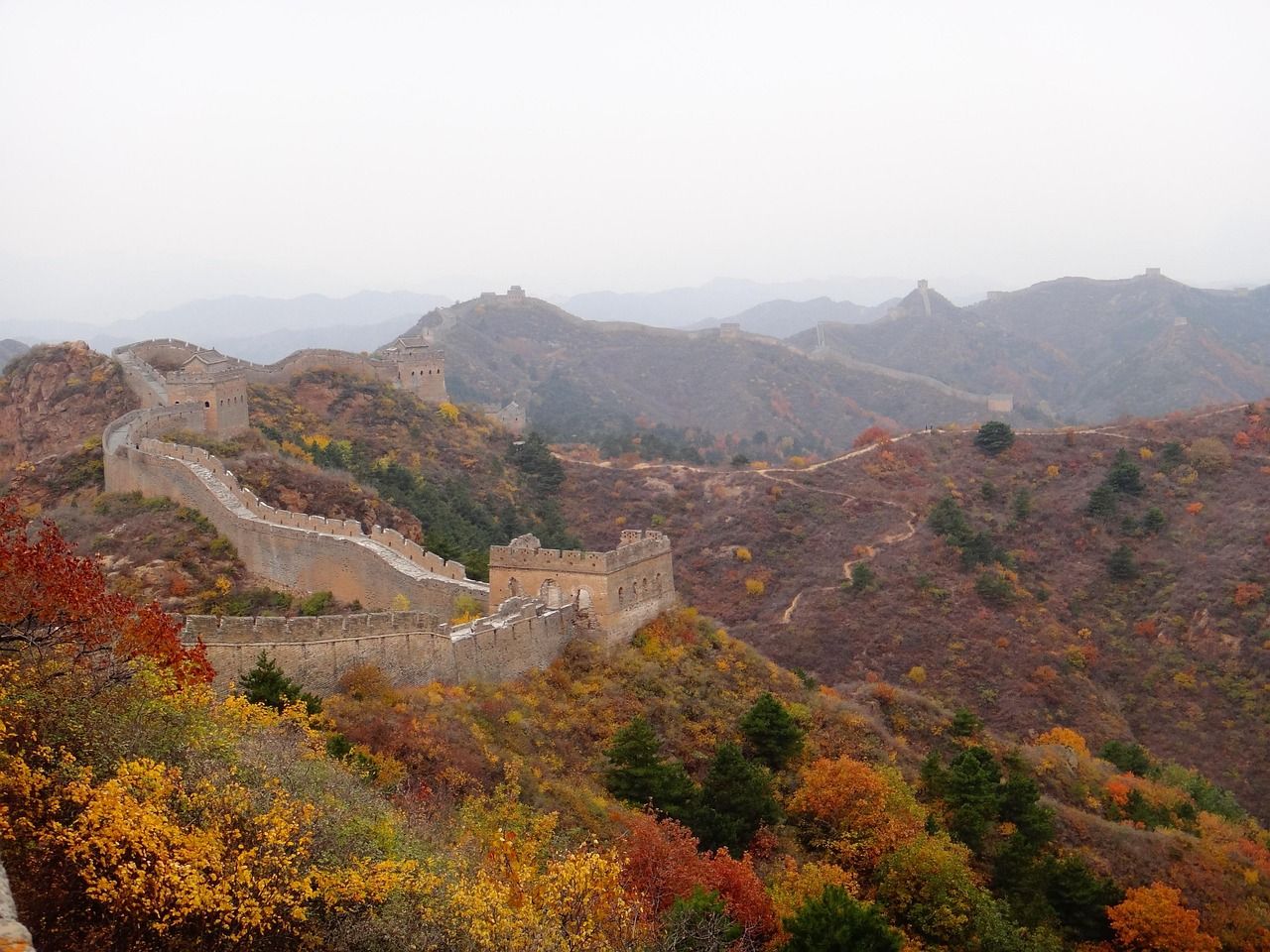
- Late September to early November is its season: the slopes turn from yellow to red, the colour lands in the lake, and the chestnut festival covers 19 September to 7 October.
- 1 to 7 October is the peak. The festival runs into the National Day holiday. If you want the place quiet, take a weekday in late September.
- Winter strips the trees and the colours go with them; summer is green but hot and heavy going on the climb. Nights in the valley are noticeably cooler than the city even in early autumn — bring a jacket.
Is it worth it?
Yes, with the right expectation. If you are chasing the most imposing wall in China, this is not it: Huanghuacheng sells the relationship between wall and water, and the picture is stranger and more singular than it is grand. Come for the country's only three-section wall-in-water and you will not be disappointed; come for a heroic climb and you may be. It does not fit a rushed itinerary either — between the drive, the boat and the walk up, give it a full day.
You are not the only one hearing about it, either. On 11 September 2026 CCTV reported 15,500 foreign arrivals a day through Beijing's ports, up 25% on August, and inbound guesthouse bookings in Huairou up 14% year on year. Huanghuacheng was one of the destinations named.
Half day (4–5 hours): East Gate → boat to the peninsula → Ming Chestnut Orchard → magnetic slide up for the panorama → back.
Full day (6–8 hours): add the lakeside boardwalk, a stretch of the wall, the glass bridge and the mini train or rafting. Anyone who cannot manage the climbing can do the core of it by boat and slide both ways.
Where a tour fits
What a tour removes is the two hardest parts — leaving the city without a car, and finding the right gate — and the package includes the entrance ticket.
Even with a guide, the valley is still not an hour closer, the 07:45 departure still stands, and the steps are still in the climb. The panorama is up a slope whichever way you reach it, and the boat, the slide and the boardwalk are all paid on site. Check what a listing includes before you compare prices.
FAQ
How much is a ticket to Huanghuacheng Water Great Wall?
Adult ¥58, concession ¥30. The boat and the magnetic slide are extra: ¥25 and ¥40 one way respectively. The scenic area's posted prices on the day are final.
Can I get there without a car or a tour?
There is no metro. The direct day-tour coach (Dongzhimen Transport Hub 07:45, Shaoyaoju 08:15) is the simplest option; departures are limited, so plan your date around them.
How is it different from Mutianyu or Badaling?
Mutianyu and Badaling are restored ridge-line wall you climb and look out from. Huanghuacheng is wall plus water: three stretches running in and out of a reservoir, which the scenic area says is unique in China.
Is the chestnut picking really free?
Free gathering, yes — but only chestnuts that have already fallen. Shaking or climbing the trees is not allowed.
Is it suitable for children or older visitors?
Yes. The low-effort version — boat both ways plus the slide — avoids the climbing altogether. Note the steps on the wall sections and the mountain paths, where a stroller is not much use.
Some links in this section are affiliate links — we may earn a commission if you book through them, at no extra cost to you. Affiliate disclosure.
Check dates and availability
Entry is bought on the day, but the coach and the boat are the parts with finite seats, so compare the inclusions line by line — coach, entrance ticket, boat, slide, guide, meals, or only some of them:
👉 Check dates and availability
Disclosure: This article includes an affiliate link. I may earn a commission if you book through it, at no extra cost to you. This guide describes publicly listed information only — I have not personally taken these tours.
Image sources: stock/library photos, credited where required.