 China Trip
Yeyahu Wetland: Beijing's Bird Migration Stop, Tickets and Buses
Status check (verified 2026-11-11): Yeyahu is open, on winter hours. From 1 November to 31 March the gate runs 09:00–16:00; from 1 April to 31 October it runs 09:00–17:00. Adult entry is ¥50, students ¥25, and children six and under and visitors sixty and over enter free. The autumn migration window is closing now — the park's own material puts the peak passage at October into November, with a second window in March and April.
On this page
- What Yeyahu actually is
- When to come: two windows, not one
- Tickets, hours and what winter closes
- Getting there from Beijing without a car
- Walking the wetland: the loop, the towers and where to stand
- Birding etiquette that is enforced
- If you are arriving from outside China
- What this page does not promise
- What's worth booking ahead
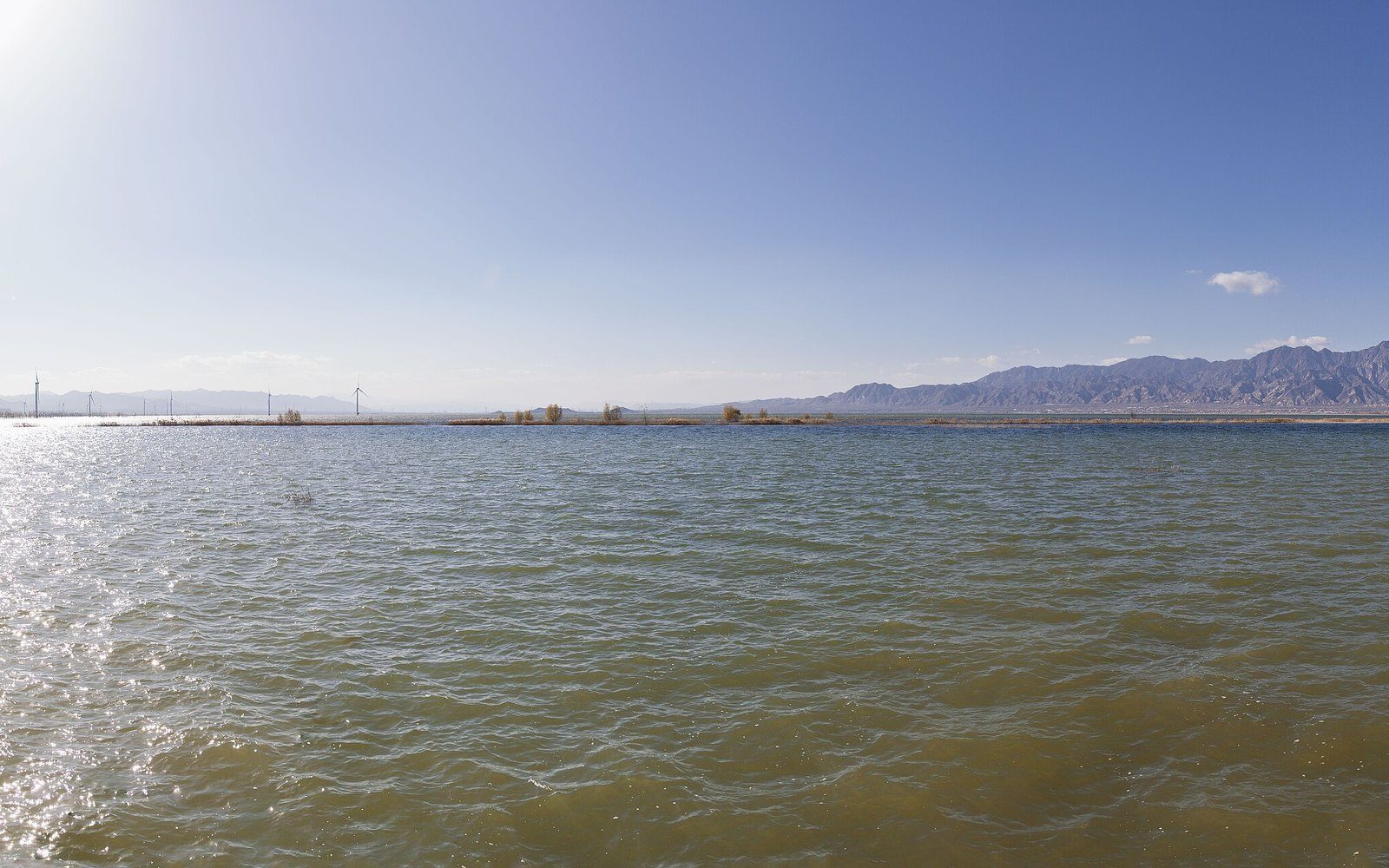
Yeyahu — literally Wild Duck Lake — is the wetland at the north-west corner of Guanting Reservoir, in Yanqing district, about 90 minutes from central Beijing. It is not a lake you look at from a car park. It is 4,000-odd hectares of open water, reed bed, wet meadow and restored marsh, and it is the closest thing the capital has to a proper birding destination.
This page covers what it takes to actually go: the hours that change twice a year, the bus that almost nobody explains properly, where to stand once you are inside, and the rules the park enforces rather than suggests.
What Yeyahu actually is
Yeyahu is Beijing's first wetland of international importance, and the designation is about birds rather than scenery. The wetland sits on the East Asian–Australasian Flyway, the migration corridor that runs from Siberia and north-east Asia down through China to Southeast Asia, Australia and New Zealand. For a bird heading south in October, the reservoir edge is a place to rest and feed before the next leg.
That position explains the species list. Chinese coverage of the park names common crane, whooper and mute swan, black stork, bar-headed goose, egret and various gulls as regular passage birds, with resident moorhen and dabbling ducks through the year. The park and its promoters have quoted recorded totals of both 264 and 369 species at different times; treat any single number as a claim rather than a count, and trust what is in front of you on the day.
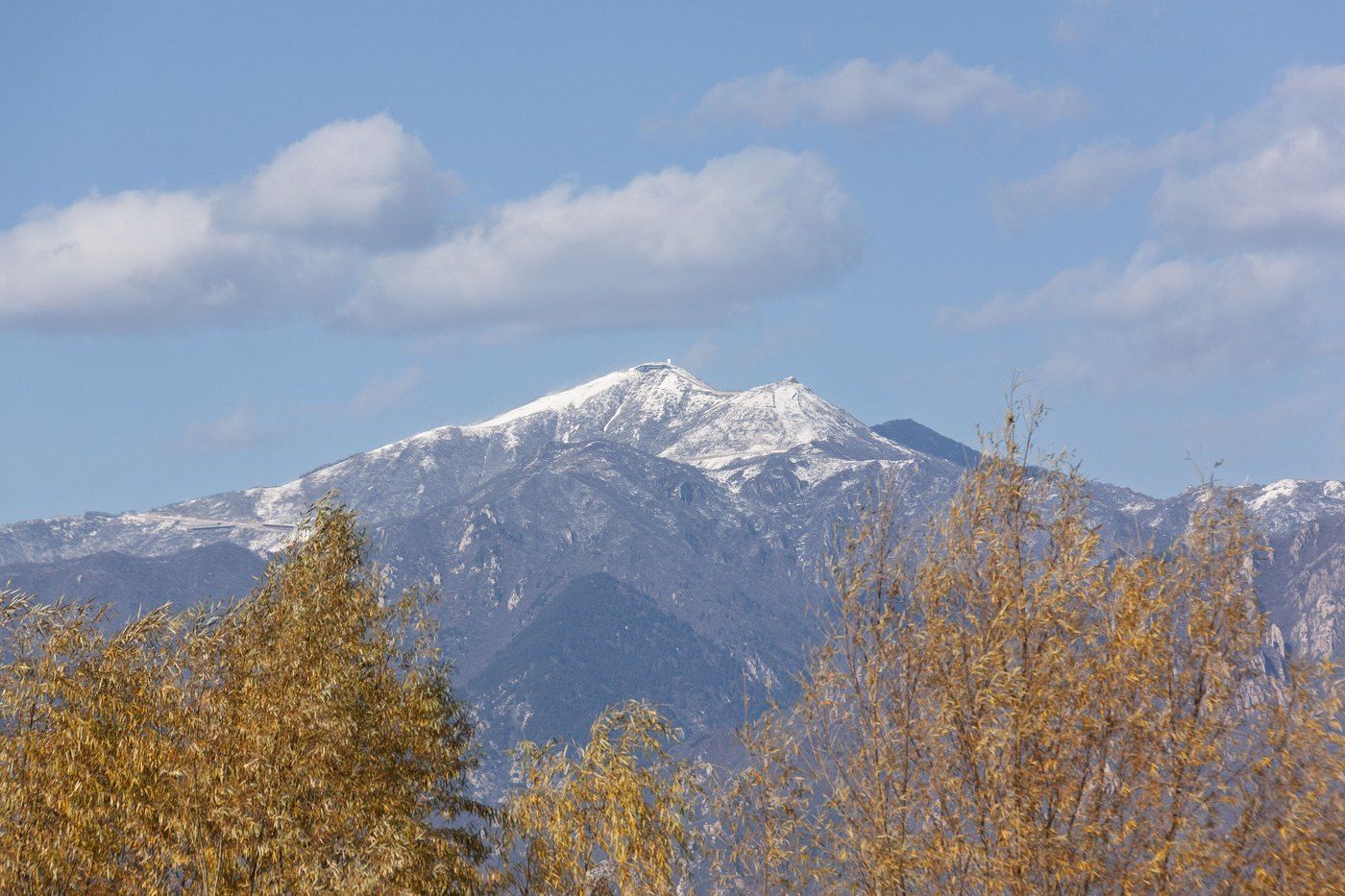
The landscape is flat, wet and open. Water dominates — the reservoir proper is enormous — and the park's own edge is a strip of reed, willow and wet grass between the water and the farmland behind it. In November the reeds turn ochre and the willows go yellow. The mountains on the far side of the reservoir pick up their first snow, which is the single best thing about visiting late in the season.
When to come: two windows, not one
Migration here is a passage, not a resident population, so timing is most of the trip.
- October to November is the autumn window, and the one closing as this is written. Passage birds are moving through, the reeds are at their best colour, and the park is quiet on weekdays.
- March to April is the spring window. The birds come back through, the ice goes out, and the light is cleaner than in autumn.
- December to February is winter proper. The lake freezes at the edges, open water shrinks, and what remains concentrates birds — sometimes spectacularly, always at a distance. It is also the coldest, windiest version of the place, and the hours are shortest.
- May to September is breeding and summer. Fewer passage birds, more reeds, more mosquitoes, and the heat haze flattens everything by mid-morning.
Two practical consequences. First, come in the morning: the park opens at nine, and the two hours after that are the best light and the most active birds. Second, do not book around a species list. What is present on any given day depends on water levels, wind and how cold the previous week was.
Tickets, hours and what winter closes
The ticket structure is simple but the extras are where money goes:
- Adult ¥50; student ¥25. Children six and under, and visitors sixty and over with ID, enter free.
- Ticket plus telescope hire ¥59.90. This is the single most useful add-on: the birds are mostly on water 100–400 metres out, and a phone camera will not resolve them.
- Ticket plus bicycle ¥90, or ticket plus a two-seat electric cart ¥140. The loop is walkable; these are for anyone short of time or travelling with older family.
- Booking is by reservation through Chinese platforms, and the gate checks ID on entry. Bring your passport.
Winter hours are the trap. From 1 November to 31 March the park runs 09:00–16:00, and park notices have listed last ticket sales at 15:30 in winter seasons. Nobody is going to keep the gate open because you drove 90 minutes: arrive by 14:30 if you want two hours inside.
The 24-metre observation tower inside the reserve is closed — it sits in the buffer zone, where tourism is prohibited under the nature reserve regulations. The park's answer to it is the public lookout at the north-west corner, which is where everyone ends up anyway.
Getting there from Beijing without a car
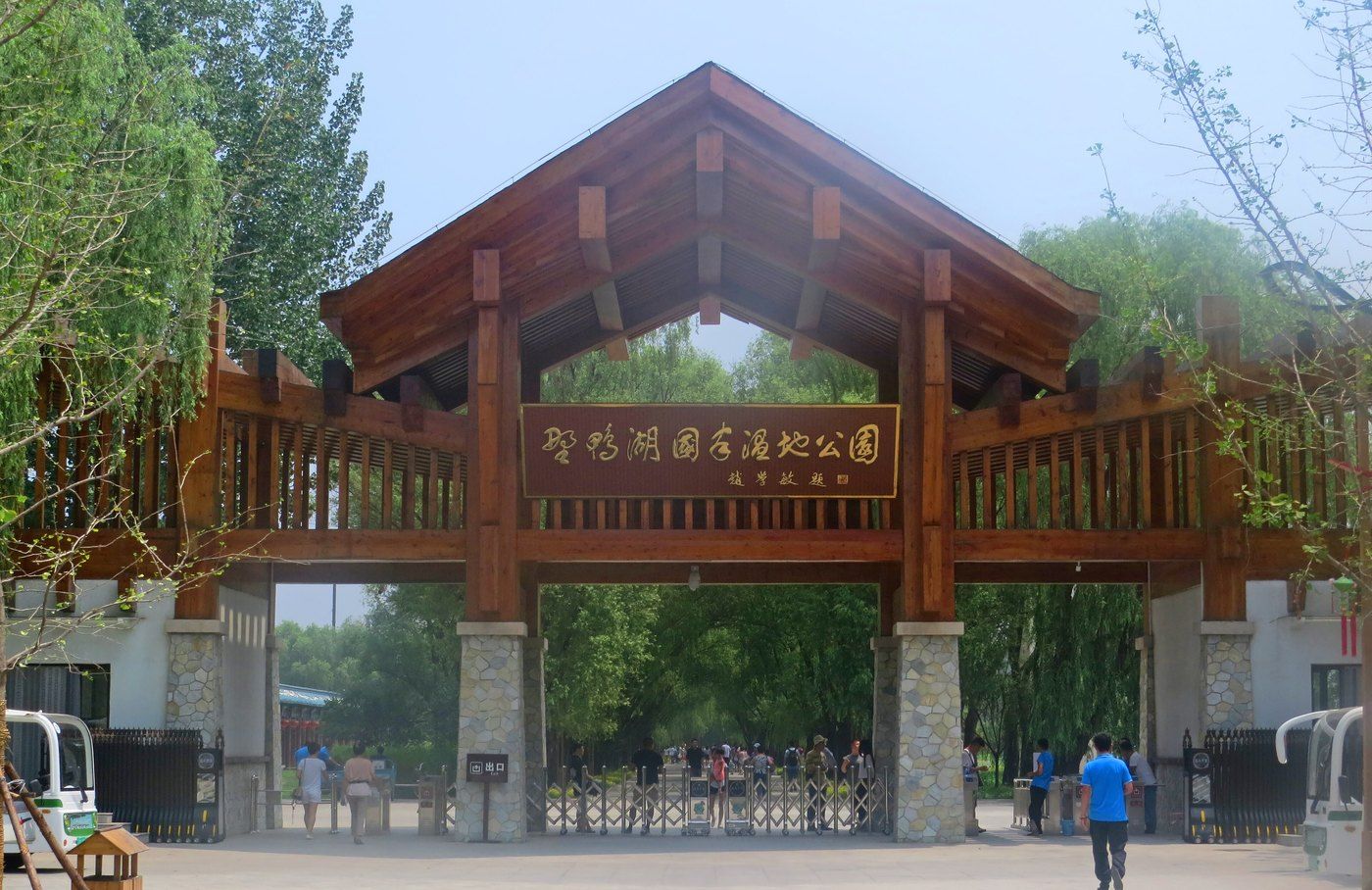
The park is in Kangzhuang town, Yanqing district, on Kangye Road. Three routes work:
- Bus, the standard route. 919 from Deshengmen to Yanqing, then change to Y46 — about 20 minutes to the park gate. Some listings still print 921 for the second leg; both are quoted, so check the board at Yanqing and take whichever is running.
- Metro plus bus. Line 8 to Zhuxinzhuang, then 880 to Kangzhuang, then Y46 to the gate. Slower, but it removes the guesswork about which long-distance bus is full.
- Car. Jingzang expressway to the Kangzhuang exit (65), then follow the signs — roughly 15 minutes. Parking at the gate is large and was never the problem.
A taxi or ride-hailing car from central Beijing is about 90 minutes each way and the return leg is the part to arrange in advance: the gate is not a place where cars circulate at four in the afternoon.
The park telephone number is 010-69131458. It is answered in Chinese, and it is the number to call if you want to confirm the day's hours before a winter trip.
Walking the wetland: the loop, the towers and where to stand
Inside, the park is a set of marked routes rather than a single path:
- The loop route, about 4.6 km, circles the main water body on a stone-and-boardwalk path. Promotional coverage rounds this to "6 km of lakeside boardwalk"; the park's own route description gives 4.6. Either way it is two hours at birding pace.
- The natural wetland route, about 10 km, follows a gravel track through restored marsh. This is where the waterfowl are, and where you want to be if you have a telescope.
- The lotus route, 3–4 km, is a summer route and irrelevant in November.
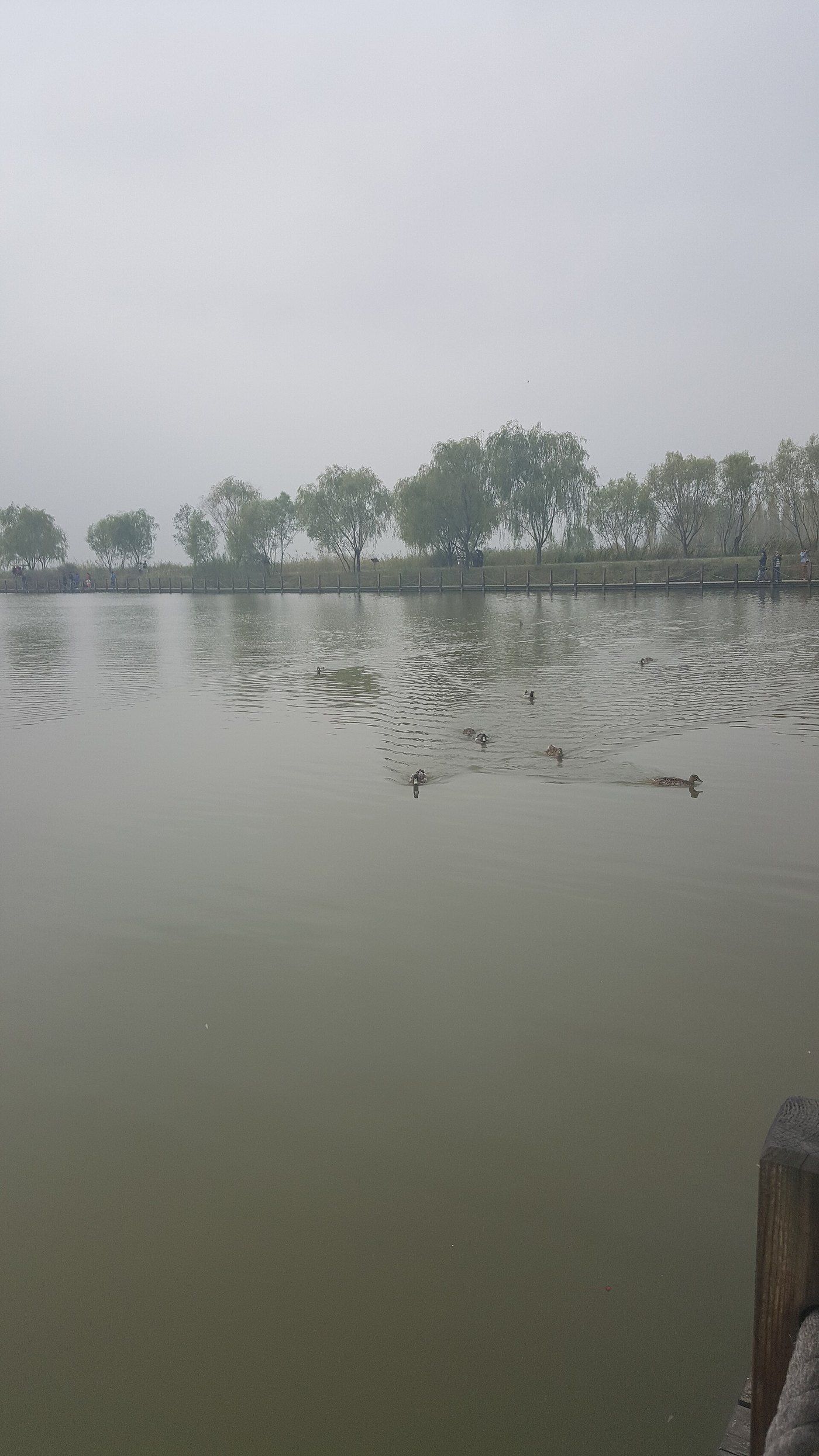
Three places are worth knowing. The lookout tower at the north-west corner gives a 360-degree view over reed bed, the reservoir and the farmland — it is the only elevated view you will get. The wetland museum just inside the gate is small, free with entry and gives the flyway context in ten minutes. The boardwalk along the near shore is where casual visitors see their first ducks at close range, which is also why it is the most crowded 200 metres in the park.
Stand still for ten minutes rather than walking the whole loop fast. The birds here are shy and the park is big; the returns come from patience, not coverage.
Birding etiquette that is enforced
The park's entry rules are not decorative, and staff do apply them:
- No drones. This is the rule most often broken by visitors and the one most likely to end a visit.
- No feeding. The ducks at the near shore are habituated enough to approach; bread is still bad for them and banned.
- No pets, no bicycles brought in, no fishing, no swimming, no amplified music, no kite flying.
- Stay on the marked path. The reed beds are nesting and feeding habitat, and the margins are fragile.
Beyond the rules, two courtesies matter to the people around you: do not walk between a scope and the water, and do not play birdsong from a phone to pull a bird closer.
If you are arriving from outside China
Yeyahu is unusual among Beijing attractions in that it has almost no English-language provision and almost no foreign visitors, which is both the appeal and the friction.
- Bring your passport. Reservation systems usually want a Chinese ID number; if the mini-program will not accept a passport, buy at the gate or through a platform that accepts foreign passports, and allow time for the staff to work through it.
- Cash or Chinese mobile payment. Card acceptance at the ticket window is inconsistent; a phone with Alipay or WeChat Pay set up is the reliable option.
- No English signage on the routes. Save a screenshot of the park map, and note that the loop route is the one marked with the shorter distance.
- Cold, wind and no shelter. November afternoons here are several degrees colder than central Beijing and the wind comes off open water. A shell and a hat are not optional.
The park pairs naturally with Badaling, which is 40 minutes away by road, and with the Yanqing end of the Great Wall. It does not pair with a half-day city itinerary: the 90 minutes each way is real.
What this page does not promise
- A species count. Recorded totals are quoted as 264 and 369 by different sources. Both are claims; neither is a promise about your visit.
- That the telescope hire is available. It is a platform bundle, and stock at the gate can run out on busy weekends.
- That the buses line up. The 919, the 880 and the Y46 are separate services with separate timetables; the transfer at Yanqing or Kangzhuang is where a trip goes wrong.
- That winter access is comfortable. It is open, and it is cold, and the light goes early.
What Yeyahu does deliver, reliably, is the thing that is hard to find inside Beijing: a horizon with nothing built on it, and birds moving through on their own schedule. Go in the morning, take the telescope, and give the reed bed an hour of standing still.
Some links in this section are affiliate links — we may earn a commission if you book through them, at no extra cost to you. Affiliate disclosure.
What's worth booking ahead
The park itself needs nothing beyond a ticket reservation; the planning sits in the transfer, because the Yanqing connection is where a day trip quietly loses an hour. If you would rather not run the bus chain, a car and driver for the day removes the return-leg problem at four in the afternoon — and puts you at the gate for opening, which is when the birds and the light are both at their best.
👉 Check Beijing day trips and private drivers
Park hours of 09:00–17:00 from 1 April to 31 October and 09:00–16:00 from 1 November to 31 March, the ¥50 adult ticket, the 919-to-Y46 bus route with a 20-minute second leg, and the park telephone number 010-69131458 are from the Beijing Tourism (visitbeijing.com.cn) park listing read on 11 November 2026. Ticket tiers of ¥25 student, ¥59.90 with telescope hire, ¥90 with bicycle and ¥140 with a two-seat electric cart, free entry for children six and under and visitors sixty and over, and the prohibitions on drones, pets, bicycles, fishing, swimming, amplified music and kite flying are from Ctrip and Tongcheng park listings read on 11 November 2026, and are platform descriptions rather than the park's own tariff. The 4.6 km loop route, the 10 km natural wetland route, the 3–4 km lotus route, the lookout tower and the closure of the 24-metre tower in the buffer zone are from the park's route description as reproduced in Chinese reference listings and from platform scenic-area notices; confirm route lengths and closures at the gate. The East Asian–Australasian Flyway position, the description of Yeyahu as Beijing's first wetland of international importance, the passage species named, the October-to-March passage season and the record of tens of thousands of birds are from Beijing Tourism coverage of the park; recorded species totals of 264 and 369 both appear in Chinese coverage and are reported here as claims, not as verified counts. Last ticket sales at 15:30 in winter are from a park winter-opening notice and should be confirmed on the day. The growth in foreign visitors using China's wetlands and birdwatching sites is from People's Daily, 10 November 2026. Photographs are from Wikimedia Commons: the Guanting Reservoir panorama and the snow-covered peak by Song Youwen (CC BY 4.0 and CC BY-SA 4.0), the entrance gate by N509FZ (CC BY-SA 4.0), and the ducks on the near shoreline by Antigng (CC BY-SA 4.0); credits also appear in the image captions. Verify hours and ticket prices before travelling.