 China Trip
Xiaomi's Beijing EV Factory Runs Free Tours. You Can't Book Alone.
Status check (verified 2026-11-15): The tour is free and foreign visitors are welcome on it, but the registration form has to be submitted by someone holding a Chinese ID card — you are the guest, not the applicant. Turn up without your passport original and you do not get in, whatever your confirmation says.

On this page
Why this plant, and why now
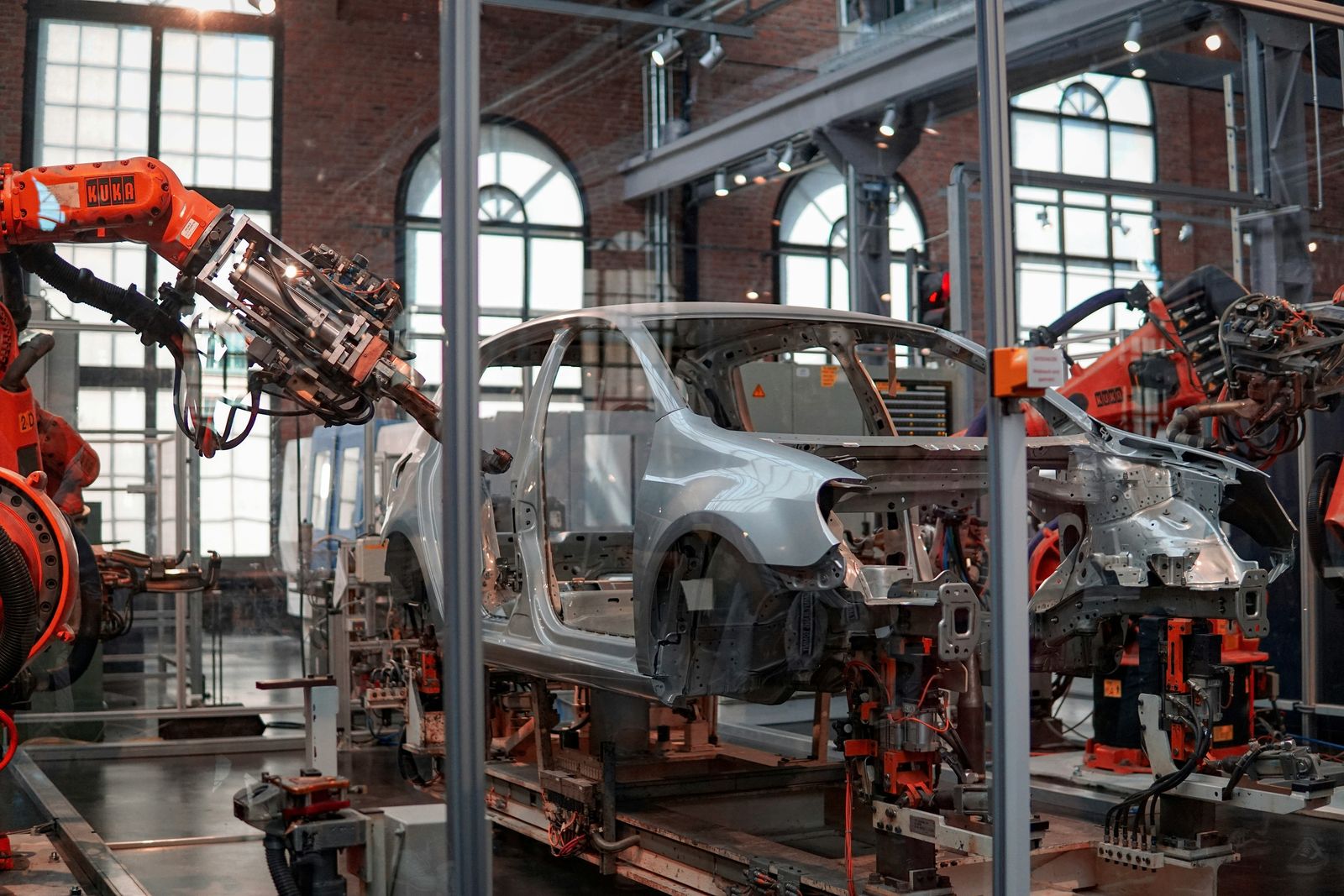
In the first eight months of 2026 the Xiaomi car plant in Yizhuang received 9,469 foreign visitors across 479 tour sessions, up about 153% on the same period a year earlier, according to People's Daily Overseas Edition. Over the same National Day holiday, technology-themed attraction orders on Ctrip rose 107% year on year.
The number is not the interesting part. What the visitors come for is. The reporting is specific about it: they ask how AI and automation actually land on a production line, how the supply chain behind it is assembled, and how the cost is held down. None of that is visible from a showroom, and none of it is in a brochure. It is only visible from inside a working plant, which is why people fly twelve hours to walk one for two hours.
It helps to see the friction as a sequence. A foreign visitor entering China passes seven gates: visa, immigration, payment, mobile connectivity, transport, booking, and explanation. The first five have been smoothed considerably over the past two years. The last two have not moved, and this plant is where both of them show up at once.
What the tour actually is
The Yizhuang plant covers about 718,000 square metres and holds six workshops — die-casting, stamping, body, paint, assembly and battery — plus a 2.5 km test track and 29 laboratories. It was designated a Beijing industrial tourism demonstration site in 2024.
The public route does not walk all of that. It covers a technology exhibition hall and part of the workshops, and which workshops you see depends on what is running that day. Budget around two hours. The visit ends near a factory store and the staff canteen, both of which are open to tour groups and both of which are, in their way, part of the experience — the canteen in particular tells you more about how the place runs than the exhibition hall does.
This is a working plant, not a visitor centre with a plant attached. That distinction explains almost every rule that follows.
The booking wall: a Chinese ID
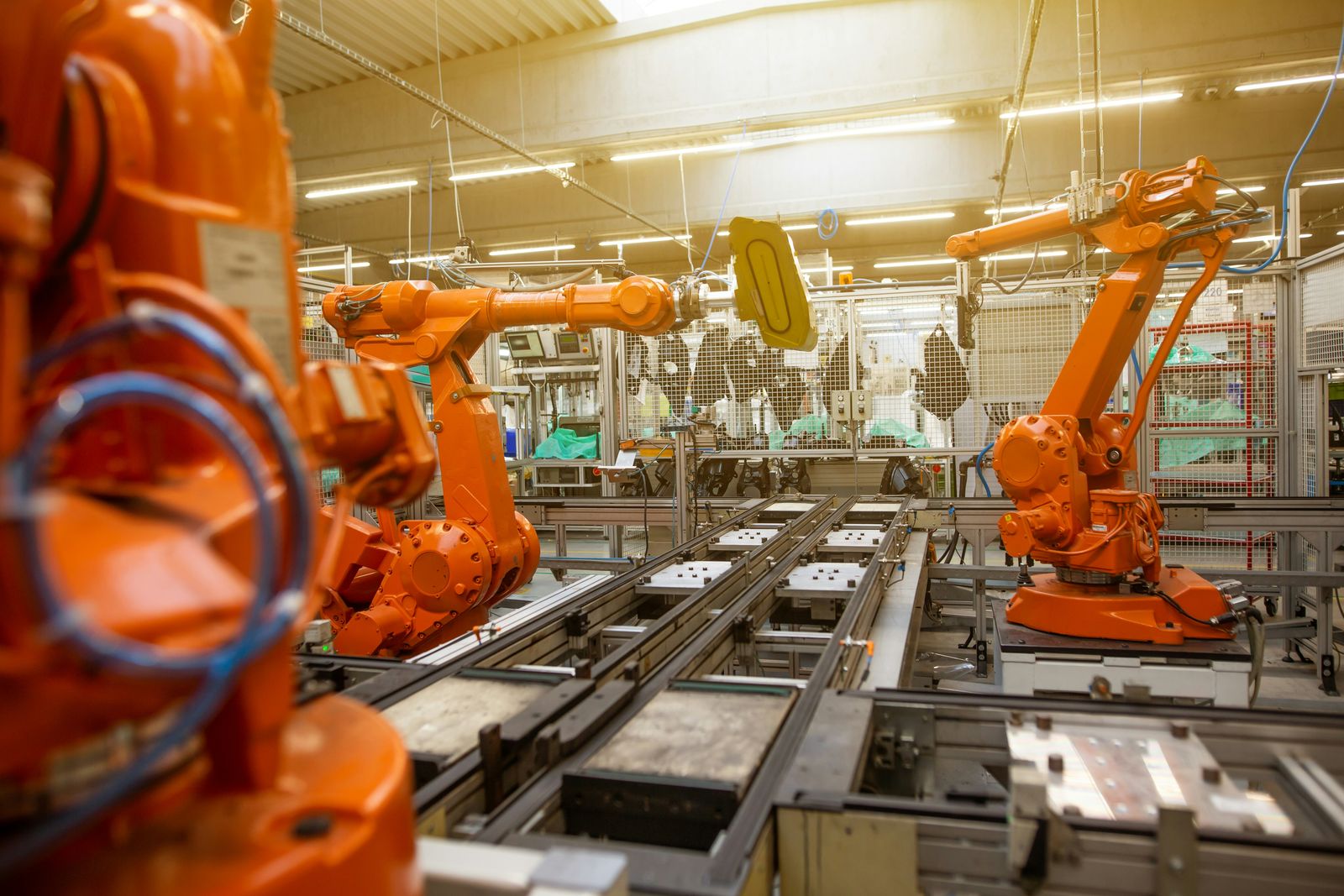
Registration runs through the Xiaomi Auto app, not a website and not a WeChat mini-program. The path is Discover, then Activities, then Factory Tour, then real-name details, then a session slot. From there your entry goes into a ballot pool.
The real-name field is the wall. The person registering holds a Chinese ID card. You are the accompanying guest. There is no passport field for the applicant, no international booking channel, and no English-language registration flow. If you do not know a Chinese resident who is willing to put their name on the application, the process stops there.
Turn up on the day and the second half of the wall appears: the original passport, not a copy, not a photograph on your phone. Both sides check. A person who flew in and assumed the confirmation email was enough has, at that point, exhausted their options.
The practical consequence is scheduling. You cannot book the tour and then look for a friend. You find the friend first, agree a date they can commit to, and only then build the rest of the trip around it.
How the ballot works
Sessions are released month by month, and the schedule is not stable between months. October 2026 ran 156 sessions, four per weekday, with extra sessions around public holidays. What opens next month is announced next month — an old schedule is worse than no schedule, because it invites you to plan against sessions that no longer exist.
Within a session there are 20 groups. The registrant must be 18 or over; accompanying guests must be 6 or over; a successful group may bring one to three additional people. The limit is on groups, not on heads, so a family registers once.
Allocation is by ballot, not by queue. That matters more than it sounds, because it removes the thing most visitors optimise for. Being on the app at 09:59:59 buys you nothing.
The notification is also unusual. Winners receive a phone call from the official number, not a confirmation message. If the registered number is unreachable, the slot can move on to the next group. A Chinese mobile number that a friend monitors is, awkwardly, part of the booking system.
Demand is severe enough that the reported figures are worth knowing as a warning rather than as data: coverage has put the win rate as low as 0.4%, with one period described as 100,000 people chasing 200 places. Treat those numbers as reported, not verified — but treat the conclusion as solid. Assume you may not get in, and have a second option.
One thing follows directly. The tour is free. Any agent offering a paid booking, a guaranteed place, or a way into the plant for a fee is selling something that does not exist. The ballot has no priority tier and no paid queue.
What you may photograph, and what you may not
Visitors accept a confidentiality undertaking as a condition of entry. It covers business plans, strategy and new product samples. Separately, individual zones are closed to cameras at the guide's direction.
Foreign visitors sometimes read this as a rule aimed at them. It is not. NIO opens its Hefei plant to visitors and bans photography throughout. BYD substitutes a showroom for the line entirely. Chinese manufacturers treat an open plant as a controlled space, and the controls apply to everyone in the group.
The sensible reading is that the exhibition hall is where you photograph, and the workshops are where you watch. Ask the guide at the start of the walk rather than at the point where you want the picture.
The real gap is the guide, not the ticket
Here is the part that does not appear in any booking guide. Across China's foreign-language guide pool, English speakers are roughly 7% to 8%, and guides working in other languages around 1%. The supply was built for palaces, temples and old towns. It was not built for a car plant.
A technology tour is harder to interpret than a palace tour, not easier. A guide who can name a dynasty is not automatically a guide who can explain why a die-casting press of that size changes the economics of a body panel. The vocabulary is different, the questions visitors ask are different, and the tolerance for vagueness is lower.
Xiaomi does provide an English guide service, which puts it among the minority of Chinese plants open to visitors at all. But it is not offered on every session. Confirming that an English session exists on your date is the single most valuable check in this whole process — without interpretation, two hours on a production line degrades into two hours of photographs of machinery.
Getting there, and what to do afterwards
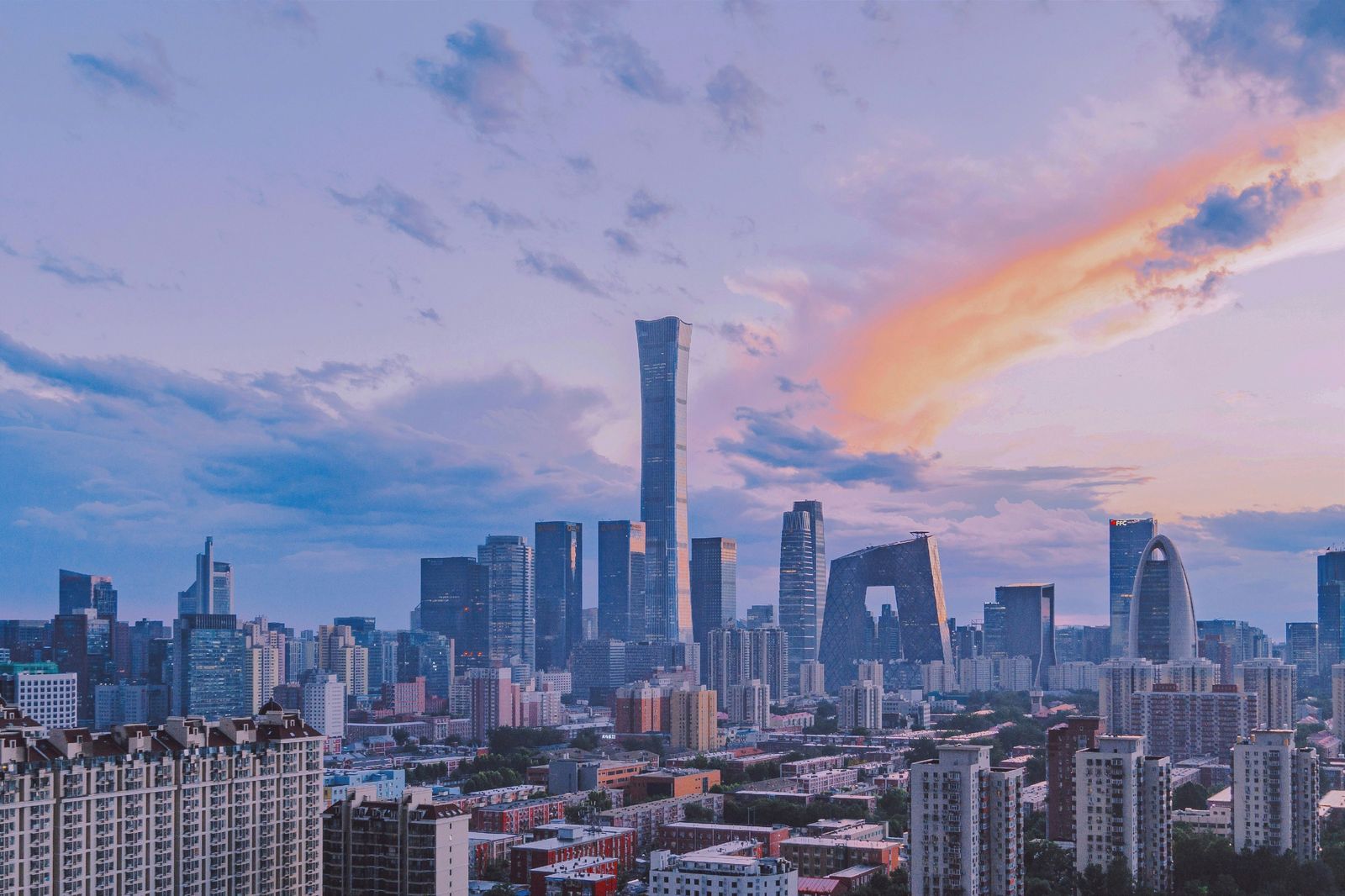
The address is No. 21 courtyard, Huansheng Road, in the Beijing Economic-Technological Development Area — Yizhuang, on the southeastern edge of the city. It is a real commute from central Beijing, not a detour from a sightseeing day, and the plant is in an industrial zone rather than a visitor district.
Two scheduling notes. Do not stack the tour against another timed booking on the same morning; the two hours is a floor, and the entry process adds to it. And confirm the arrival point with your Chinese contact before the day, because a 718,000 square metre site has more than one gate and the visitor entrance is not the one a taxi will pick by default.
Afterwards, the factory store and canteen are the natural pair with the tour. Neither needs booking.
Some links in this section are affiliate links — we may earn a commission if you book through them, at no extra cost to you. Affiliate disclosure.
What's worth booking ahead
Four things, in this order.
The current month's session list, from the app rather than a guide written earlier. October's 156 sessions tell you the scale of the operation, not the shape of November.
Whether an English session runs on your date. If it does not, decide whether you still want to go — this is the difference between a visit and a walk-through.
Whether your Chinese contact is free that day, willing to have their name on the application, and reachable on a phone they will actually answer.
Your own entry position. The tour does not change visa rules. If you are relying on the 240-hour visa-free transit arrangement — 57 countries under the National Immigration Administration's August 2026 announcement — check that your nationality, your port of entry and your onward ticket all qualify before you build a factory visit into the itinerary. A free tour is not worth an overstay.
If you cannot get a slot, the alternatives are thinner than they look. NIO's Hefei plant is open but bans cameras. BYD's public-facing sites are showrooms. Huawei and UBTech do not run public tours at all. The honest answer is that this is close to the only accessible working EV plant of its kind in China — which is exactly why the ballot is what it is.
👉 Check Beijing day tours and private guides
Image sources: stock photographs from Unsplash (Unsplash License, no attribution required), illustrative of automotive production and of Beijing rather than taken inside the Xiaomi plant. Session schedules, entry requirements and visa positions change and should be verified before travelling.