Harbin's Chinese Baroque Street: The Old Buildings Tourists Walk Straight Past
On this page
- What "Chinese Baroque" actually means
- Why it grew in Daowai
- How to read the facades
- The revival, in numbers
- Is it worth going out of your way for?
- When to go
- Getting there, and getting in
- Eating, sleeping, and what else is here
- Where a tour fits
- FAQ
- Does the Chinese Baroque district charge admission?
- How is it different from Central Street?
- How long should I spend there?
- Check dates and availability
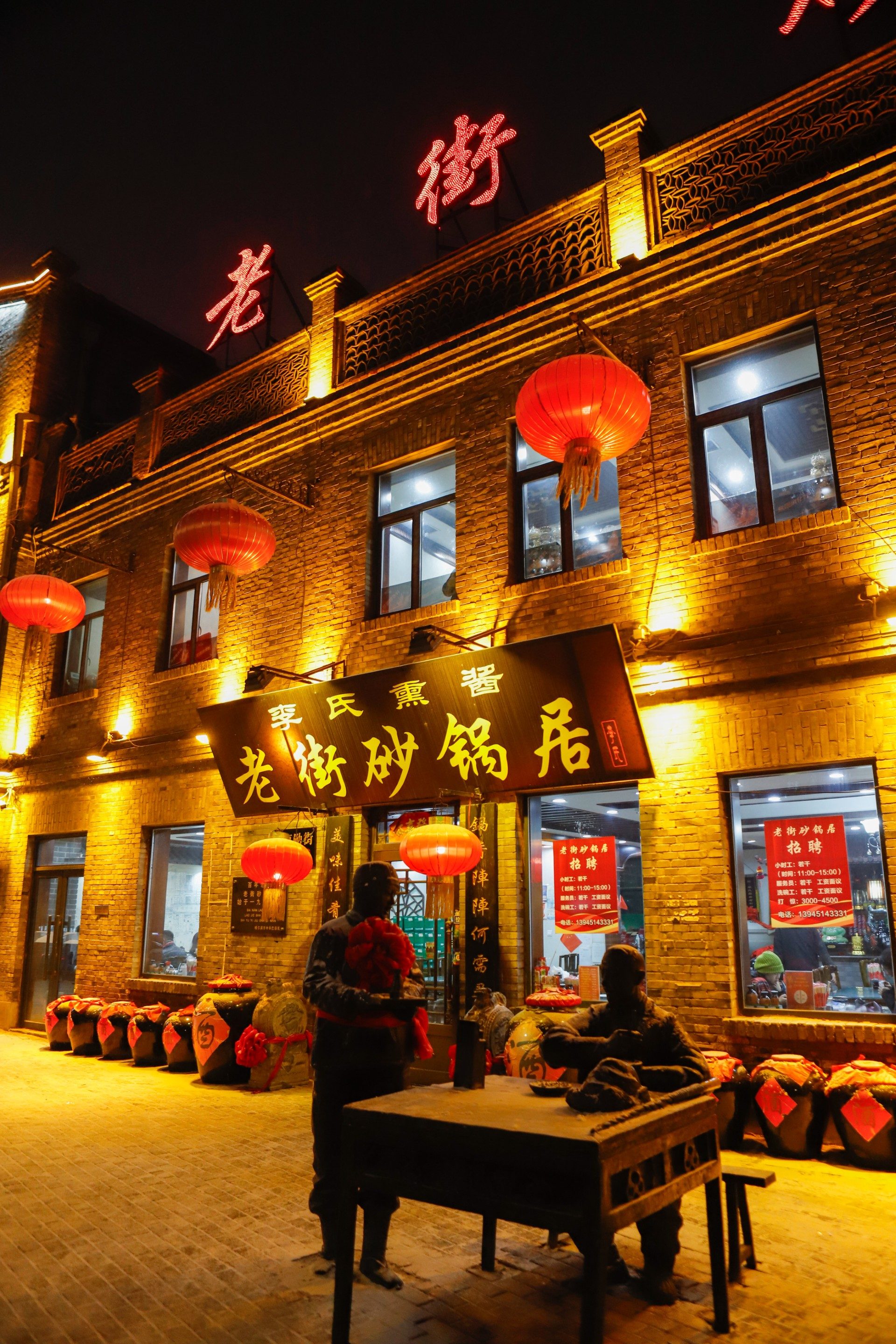
Ask anyone what Harbin's old buildings look like and you get two answers: Central Street and Saint Sophia Cathedral — both in Daoli District, both built by Russians, architecture the city was given.
Across the Chinese Eastern Railway, Daowai District runs on the other logic. Its old name was Fujiadian, and it was a commercial quarter Harbin's Chinese residents paid for themselves.
In the 1920s, Chinese merchants looked across the tracks at the grand Western facades and wanted something like them — but not wholesale. Spires, domes and giant columns were somebody else's. So the buildings came out as hybrids: a Chinese courtyard plan, a baroque shopfront, and bats, pomegranates and peonies carved under the pediment.
A Japanese scholar, Nishizawa Yasuhiko, later gave the style its name: Chinese Baroque. Similar hybrids survive in Wuhan and Beijing, but the largest and most complete cluster in China is here in Daowai.
What "Chinese Baroque" actually means
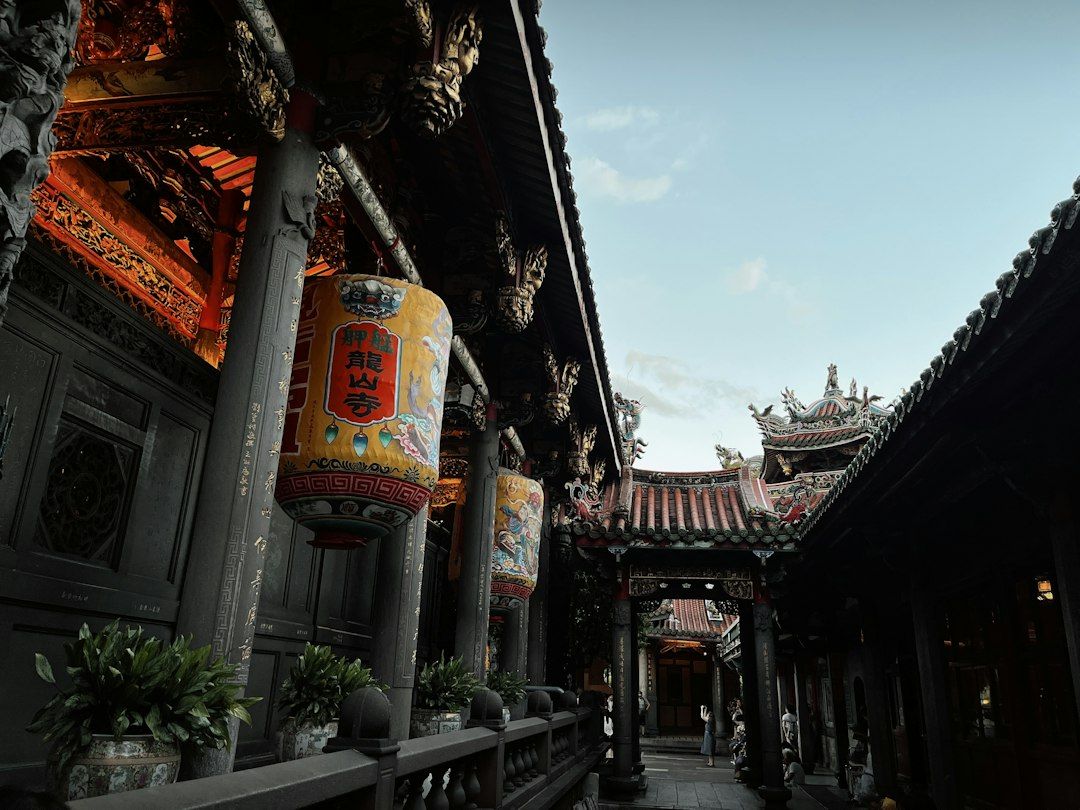
Take the phrase apart and it makes sense building by building.
- The plan is Chinese. Shop in front, home behind, arranged around a skywell courtyard.
- The facade is European. Baroque, and all the busyness that comes with it.
- The ornament is Chinese again. Bats, pomegranates, the endless knot, golden toads, peonies — auspicious symbols from top to bottom.
Put those three sources on one building and you have Chinese Baroque. One line catches it better than any description: two Chinas under a single roof — foreign pomp in the front hall where the business was done, the family's own rules in the courtyard behind.
According to the Daowai District Gazetteer, the mix was not drawn up by an architectural office. Local craftsmen copied what they could see across the railway, detail by detail, never having seen a baroque original. That is precisely why the result could not be reproduced anywhere else.
Why it grew in Daowai
- Two transport lines laid the groundwork. In the late 19th century the Chinese Eastern Railway arrived and the Songhua River began carrying steamers. Harbin became a hub almost overnight, and Fujiadian gathered Chinese residents and became a birthplace of Chinese-owned industry and commerce.
- War added fuel. In 1904 the Russo-Japanese War made Harbin a major Russian rear base; military supply work brought workshops and small factories into being, most of them Russian-owned. When the fighting stopped, overcapacity bankrupted some of them — and Chinese buyers took them over.
- The First World War sped it up. With the foreign powers preoccupied, Daowai's own merchants grew fast, and by the early 1920s they wanted a commercial and residential district of higher quality. The Western buildings across the railway were the obvious reference.
- Pride shaped the copy. As Liu Deji of the Heilongjiang Newspaper Association put it in an interview, baroque's exuberance suited a commercial district — but resentment of the invaders ruled out reproducing the spires, domes and columns outright. Chinese ornament went in instead.
Half commerce, half pride: that is the district's ground colour.
How to read the facades
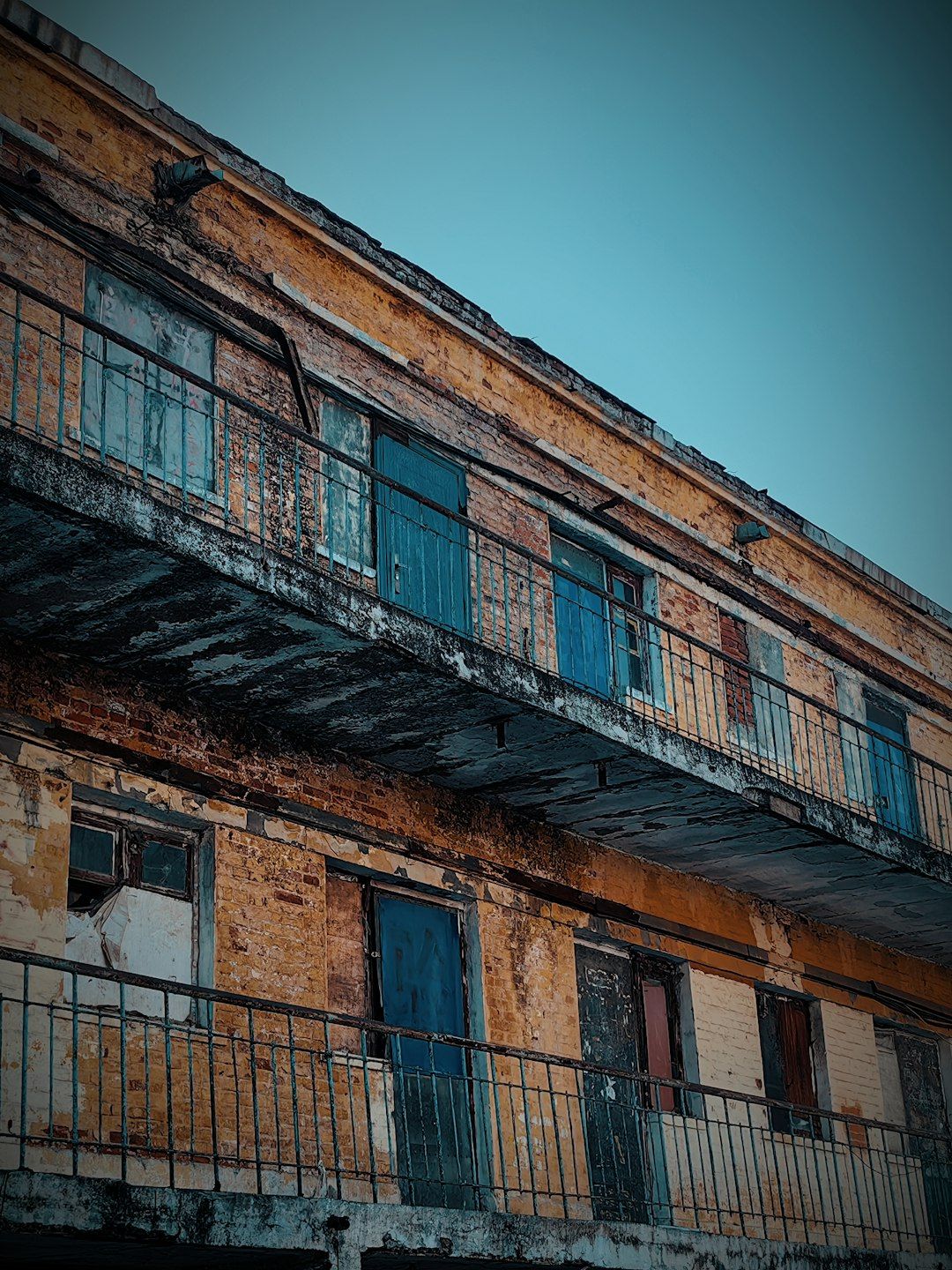
Walk South Erdao Street and South Sandao Street — and do not shoot from the middle of the road. The real material is on the walls, above head height.
- Look at the base of the pediment. Inside European scrolling foliage, a bat or a peony will suddenly surface. The baroque curve is loud, these motifs are reserved, and forced together they produce a cheerfulness neither would manage alone.
- Look at the doorways. Go in through a Western arch and there is often a Chinese skywell behind it. The outer wall is the face shown to the street; the courtyard is the private life.
- Look at the heights and the gaps. This was commercial land, sold by the inch: small courtyards, low buildings. Unlike the plaza baroque of Europe, this is prosperity that was squeezed in.
The revival, in numbers
This was not always a sight. It used to be an ordinary old residential quarter — ageing buildings, crowded living. Restoration changed that: in 2024 the district finished its main phase of revitalisation — Jingyu Street's road surface was restored that October, with the first area of phase three completed — and average daily visitors that year passed 50,000.
Then the numbers climbed. In 2025 daily footfall passed 100,000 on several consecutive days, peaking at 172,000. Over the 2026 Spring Festival the district received more than 620,000 visitors, up 57.64% year on year, with merchant sales up 30.1%. CCTV's 2026 Spring Festival Gala used the district for its Harbin segment.
Those figures come from public reports and encyclopaedia compilations rather than an official annual report, so read them as a trend — the district's own pages carry the current numbers.
Is it worth going out of your way for?
Honestly: not if it is the only reason you came to Harbin. This is a district, not a spectacle, and there is no moment where it stops you dead. The method is walking and looking.
But if you are already in Harbin, it deserves half a day to a full day, for three reasons: it is free, it is the largest cluster of its kind in the country, and it sits one river away from Central Street.
When to go
Local media's line is September for the cool, October for the colour: September to mid-October is the comfortable window, when walking is a pleasure.
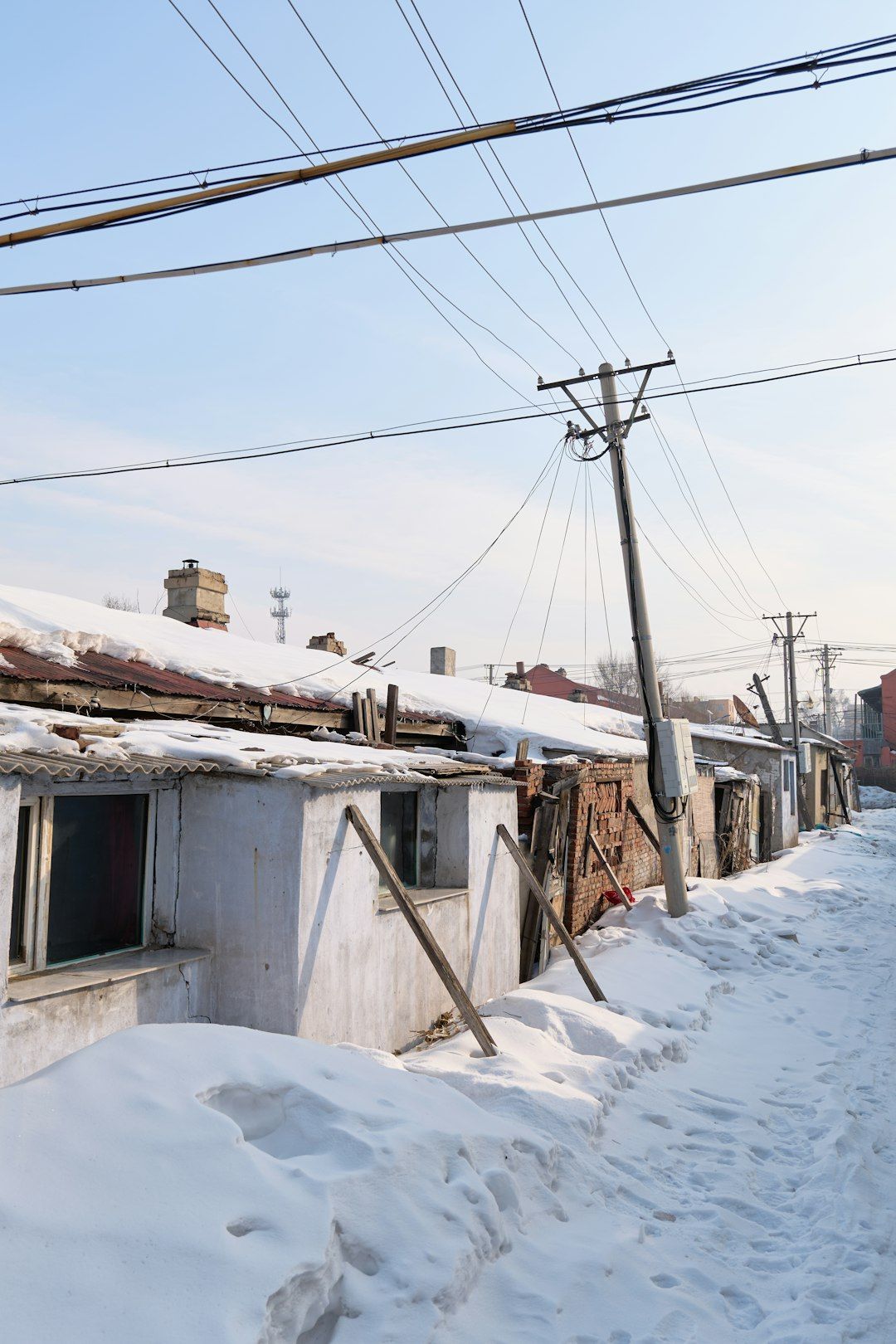
Winter works too — Harbin's ice-and-snow season pulls crowds this way as well — but the cost is outdoor walking in real cold, ducking into shops to warm up. It is not the early-autumn experience.
Getting there, and getting in
- The district is in Daowai, on the far side of both the river and the railway from Daoli's Central Street. The core is South Erdao Street, South Sandao Street and Jingyu Street; door numbers on South Erdao Street run roughly from 32 to 96. A taxi is the easy answer — about ten-plus minutes from the Central Street area to the Jingyu Street and Jingyang Street junction.
- Public transport means changes, and the two districts are easy to confuse on a map. For a first visit, take the taxi. From Taiping International Airport, airport buses, the airport express or a taxi bring you into the city.
If you are arriving on a foreign passport: Harbin Taiping International Airport applies the 240-hour visa-free transit policy, and travellers from eligible countries — Singapore, Brunei, Indonesia and Vietnam among them — can clear on a valid connecting ticket. The airport customs also runs a 24-hour departure tax refund counter with paperless verification. The list of eligible countries and the conditions are set by China's National Immigration Administration and posted at the port.
Eating, sleeping, and what else is here
- Eat: Daowai is where Harbin people eat. Zhangbao Pu's pork-rib buns, old-street clay-pot dishes, Northeast smoked and braised meats and guo bao rou (sweet-and-sour pork) all have long-standing shops around here. Prices are displayed in the shops; this guide does not quote them.
- Stay in the district: a local chain hotel in Daowai, walkable to the streets. Stay with a view: a river-view hotel around Central Street and the Flood Control Monument, ten-plus minutes away by taxi.
- Also worth an hour: the Laodaowai Baroque Museum for the background, the Harbin Laodaowai Folk Culture Exhibition Hall, the Chinese Baroque "Erbin Story" scene-recreation experience, and Hongmen Yuyan, a Tang-palace themed dinner show with its own ticket.
- Take home: Laodingfeng pastries, and the red sausages from Qiulin Lidaosi and Harbin Honglian. Vacuum-packed, so they travel.
Where a tour fits
Most people do this one on foot, and that is fine — the district is free to walk into and the route is your own. What a guide adds is vocabulary: which motifs to look for, which pediment belongs to which era, and why the mixture exists at all, none of which is obvious from the street.
The limit of any tour here is that a district cannot be turned into a single sight, or made a substitute for Central Street. If you do book something, check whether it includes an interior — the museums, the themed shows and some of the courtyards are ticketed separately, and the free part is only the pavement.
FAQ
Does the Chinese Baroque district charge admission?
The main district is free to walk. Some courtyards, museums and themed dining shows inside charge separately.
How is it different from Central Street?
Central Street is in Daoli: a Russian-led European pedestrian street with cobbled paving. The Chinese Baroque district is in Daowai, built by Chinese residents, with European facades over Chinese bones. One river apart, and nothing like each other.
How long should I spend there?
Two to three hours for the main streets. Half a day with a meal and one or two interiors. A full day if you actually intend to study the facades.
Some links in this section are affiliate links — we may earn a commission if you book through them, at no extra cost to you. Affiliate disclosure.
Check dates and availability
The district is free and best on foot, so the thing worth comparing is what each listing actually covers — an interior or museum entry, someone who can read the facades, a car between Daoli and Daowai, or only the drive:
👉 Check dates and availability
Disclosure: This article includes an affiliate link. I may earn a commission if you book through it, at no extra cost to you. This guide describes publicly listed information only — I have not personally taken these tours.
Image sources: stock/library photos, credited where required.