China Haul: The Refund Counter Is Now Part of the Trip
Status check (verified 2026-10-27): A foreign shopper in China can now claim VAT back on purchases from more than 18,000 refund-designated shops, four times the number at the end of 2024. The threshold is ¥200 in one shop on one day, the refund is 11% or 8% depending on the goods, and the claim must be made within 90 days of purchase. Since 1 July 2026 the whole chain — form, customs validation, payout — runs paperless.

On this page
- The four numbers, and why you cannot add them up
- What you actually get back
- Two routes: at the airport, or at the counter
- Paperless since July, and the ¥10,000 line
- Where the money lands: cash, card, or Alipay
- Where the shops are
- FAQ
- Do I qualify if I am on a visa-free or transit entry?
- Is 11% the same as getting the VAT back?
- Can I claim at a different airport from the one I bought in?
- What happens if customs does not validate an instant refund?
- Are the goods opened at inspection?
- Before you go
For twenty years the pitch to foreign visitors was temples, mountains and dumplings. As of this month it is also luggage space. At a Ministry of Commerce briefing on 24 October, the department's consumption chief, Yang Mu, put a name to something that had been building on overseas social platforms for a year: "China Haul" — foreigners filming themselves unpacking what they bought in China.
Her description of the shift is the useful part, because it tells you what to actually shop for. Foreign visitors, she said, have moved past tea and silk into consumer electronics, Chinese wellness products, cosmetics and designer toys — and shopping has become a reason to come, standing next to sightseeing rather than trailing behind it.
That is not a marketing line. It comes with numbers, and the numbers are the reason this article exists.
The four numbers, and why you cannot add them up
Chinese coverage of the briefing has been recycling four figures as if they were one story. They are four different measurements, and mixing them produces nonsense:
- 18,000+ refund-designated shops nationwide — a stock figure, up roughly four times on the end of 2024
- +60% — the year-on-year growth in the value of refunded sales, January to August 2026
- +300% — the year-on-year growth in the number of people claiming, same period
- 8.992 million — visa-free foreign entries in the third quarter, which is 77.5% of all foreign entries and +24.1% year on year
Read together, the third and second lines say something the headline misses: claims grew five times faster than the money refunded. That is what small, frequent, first-time purchasing looks like — people testing the system with one bag rather than one suitcase. It is also the difference between a policy that exists and a policy people trust.
What you actually get back
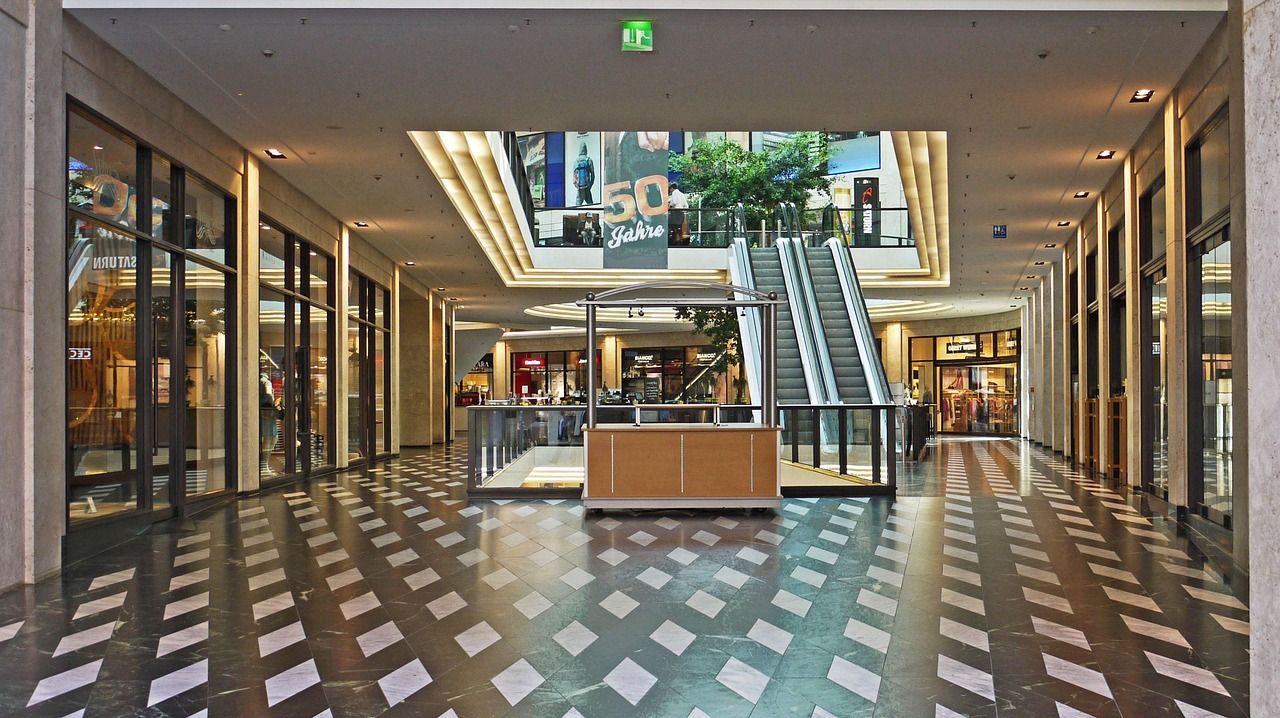
The refund is a VAT rebate, not a discount, and the headline rate is not what lands in your hand.
- Goods carrying 13% VAT — most clothing, cosmetics, electronics, appliances — refund at 11%
- Goods carrying 9% VAT — broadly agricultural products, some food, some printed matter — refund at 8%
- The refund is calculated on the invoice total including VAT, then the agency handling the payout deducts a commission
So on a ¥10,000 invoice of 13%-rated goods, the calculation is 10,000 × 11% = ¥1,100 before the agency's cut. Treat that as the ceiling, not the payout.
The conditions are cumulative, and the second one catches people:
- You are a foreign passport holder (or Hong Kong/Macao/Taiwan resident) who has not lived in mainland China for more than 183 consecutive days
- You spend at least ¥200 in the same shop on the same day
- The goods are unused and still in resale condition
- No more than 90 days pass between purchase and your departure from China
- You carry the goods out yourself, in hand or as accompanied checked baggage
That last point is the one that fails at the airport: a purchase shipped home by courier does not qualify, no matter what the receipt says.
Two routes: at the airport, or at the counter
The standard route is the one people expect. You buy, the shop issues a refund application form and the invoice, you present goods plus form plus passport to customs on the way out, customs stamps or validates electronically, and the agency inside the departure area pays you.
The instant route — maishang jitui, "buy and refund on the spot" — is the one that changes behaviour. At a participating shop you sign an agreement and put a credit-card pre-authorisation down, and the shop hands you a pre-payment equal to the refund right there, in the shop, before you have been anywhere near an airport.
The instant route has its own limits, and they are strict:
- You commit to leaving China within 28 days of the purchase being invoiced
- The pre-payment is capped at ¥50,000 per person per day per shop
- If customs never validates the export, the pre-authorisation is charged back — the money you were handed gets taken off the card
Since 1 September 2026 the instant route is also cross-port: buy and take the pre-payment in one city, fly out of another. Before that, the exit airport had to match.
Paperless since July, and the ¥10,000 line
Two procedural changes matter more than they look.
Since 1 July 2026 the entire chain is paperless. The shop issues an electronic application form; customs can pull your record by scanning a QR code; the agency pays against electronic documents. The national refund service code — one QR generated from your passport details — is now the identity thread through all of it, which is why the earlier piece on how the service code works at a land border port is still worth reading before your first claim.
And since the same date, customs applies tiered inspection:
- Claims under ¥10,000 are subject to random sampling, not automatic physical inspection
- Claims of ¥10,000 and above are inspected every single time
This is the single most practical number in the whole system, because it decides how much airport time to budget. A ¥3,000 claim usually means walking through; a ¥12,000 claim means opening the suitcase. If your flight is tight, split nothing and declare honestly — but do plan the extra forty minutes.
Where the money lands: cash, card, or Alipay
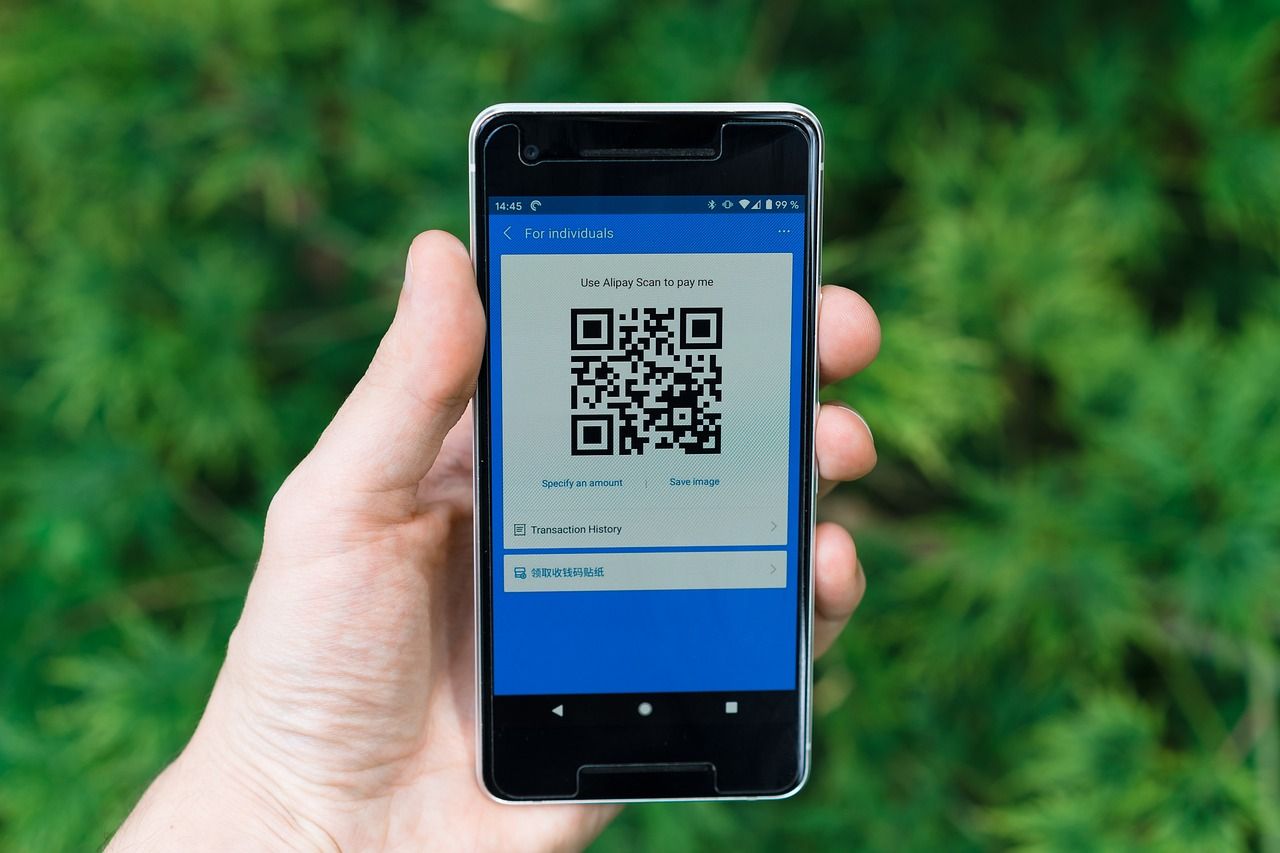
The refund is denominated in RMB and can be paid three ways:
- Cash — available up to ¥20,000 per claim; above that, bank transfer only
- Bank card — the conventional route, credited after customs validation
- Electronic wallet — the newest, and the least documented in English
Jiangsu is where the wallet route is furthest along. The province had 937 refund shops across 13 cities as of 26 October. Nanjing issued the province's first e-wallet refund in July, and Wuxi then completed the first Alipay instant refund: the traveller puts down the card pre-authorisation, shows an Alipay refund code, and the money reaches the wallet within minutes, spendable inside China for the rest of the trip.
For anyone doing a multi-city trip, that changes the arithmetic. A refund that would otherwise sit on a card for a billing cycle becomes working cash for the next two cities.
Where the shops are
The density follows spending, not tourism. Two data points show the pattern:
- Shanghai: January–September refund sales +52%, application forms +2.7 times, instant-refund sales +1.4 times — and self-service refund machines now stand in eight major commercial districts, so the first step no longer requires finding a staffed counter
- Qingdao: the airport's customs office processed 2,411 refund claims worth ¥4.764 million in the first half of 2026 — 5.7 times the claim count of a year earlier
If you are building a shopping day around this, the electronics markets of Shenzhen are the highest-density refund cluster in the country for exactly the category the ministry named first.
FAQ
Do I qualify if I am on a visa-free or transit entry?
Yes. The refund rules key off residency and departure, not visa type — a 240-hour transit entry and a 30-day visa-free entry both qualify. What matters is that you have not lived in China more than 183 consecutive days and that you leave within 90 days of purchase.
Is 11% the same as getting the VAT back?
No. The VAT is 13%, the refund rate is 11%, and the agency deducts a commission on top. Assume roughly 8–9% of the invoice total reaching you in practice, and treat anything above that as a good day.
Can I claim at a different airport from the one I bought in?
Yes, and since 1 September 2026 this holds for the instant route too. The claim follows the goods and the passport, not the shop's city.
What happens if customs does not validate an instant refund?
The pre-authorisation is completed and the pre-payment is charged back to your card. There is no grace period and no appeal route at the airport — the validation has to happen on departure. If your plans might change, take the standard airport route instead.
Are the goods opened at inspection?
For claims of ¥10,000 and above, expect the packaging to be checked. Keep goods unused, keep the invoice with them, and pack them where you can reach them before check-in rather than in the depths of a checked bag.
Before you go
Four things worth doing before the shopping day, not after:
- Ask at the till whether the shop is refund-designated — the logo is displayed, but staff at small shops often do not know the English term
- Decide the route at the counter: instant refund needs a credit card with available pre-authorisation limit, and not every traveller carries one
- Keep every invoice flat and together — the paperless chain still breaks if the invoice number does not match the form
- Leave 40 minutes if any single claim is near or above ¥10,000
The system is now generous enough that the constraint has moved. It is no longer whether you can get the money back; it is whether you bought things you can carry.
Image sources: stock/library photos, credited where required.